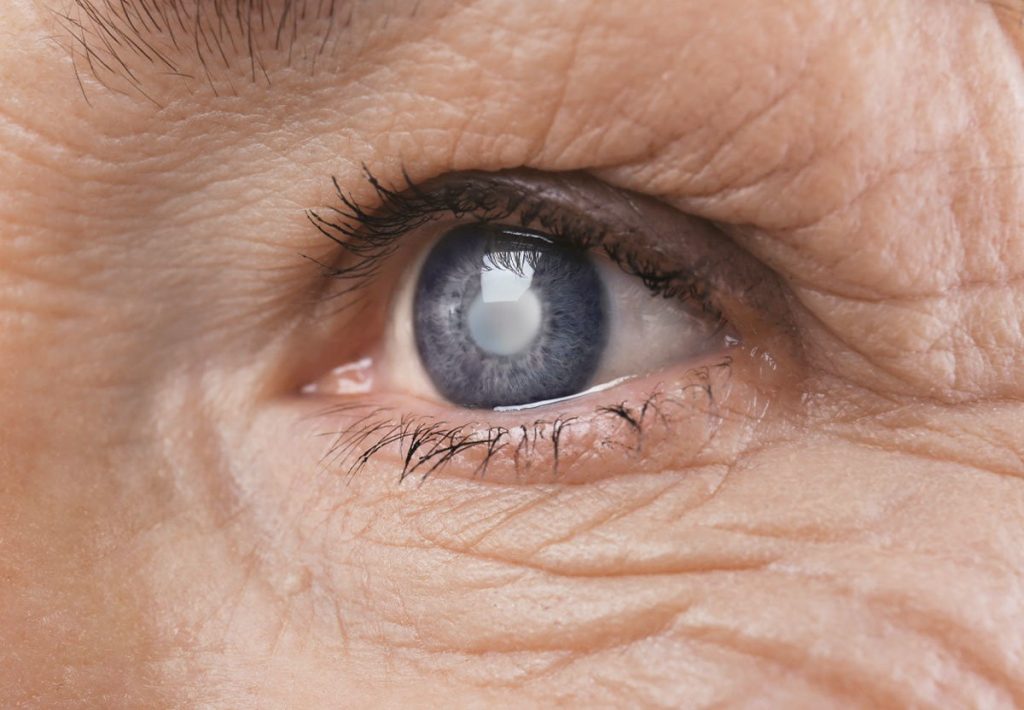




Early Onset Cataracts are an increasingly common concern among young people, affecting daily vision, school performance, and work activities. These early lens opacities can develop for a variety of reasons, making early recognition and understanding of prevention and treatment options essential to preserve vision and prevent future complications.
Early Onset Cataracts: Definition and Prevalence
Early Onset Cataracts affect individuals much younger than the typical age group associated with age-related cataracts, sometimes appearing in teens or young adults. Although cataracts are often considered a condition of the elderly, young people can develop cloudy lenses that interfere with clear vision, making early detection and treatment crucial. Understanding these cataracts helps prevent long-term vision impairment and preserves quality of life.
Causes of Early Onset Cataracts in Young People
Cataracts in youth arise from a variety of factors. Unlike age-related cataracts, which develop slowly over decades, early onset cataracts may progress rapidly. Common causes include:
- Genetic Factors: Some children inherit mutations that affect lens transparency. Family history can significantly increase risk.
- Metabolic or Systemic Conditions: Diabetes, galactosemia, or other metabolic disorders can accelerate lens clouding.
- Eye Injuries or Trauma: Direct impact on the eye may lead to localized lens opacities.
- Medication Use: Long-term corticosteroids or other drugs may contribute to early lens changes.
Recognizing these factors allows timely intervention to maintain vision and prevent complications.
Genetic Cataracts in Youth
A substantial portion of Early Onset Cataracts is hereditary. Genetic cataracts may be present at birth (congenital) or appear later during childhood or adolescence.
Symptoms can range from subtle blurring to noticeable cloudiness, sometimes affecting one eye more than the other.
Routine eye examinations in children with a family history of cataracts are essential. Early surgical or non-surgical intervention can prevent developmental visual problems such as amblyopia or strabismus.
Secondary Cataracts
Not all early onset cataracts are genetic. Secondary cataracts develop due to other conditions or environmental factors:
- Systemic Diseases: Diabetes, thyroid disorders, and chronic illnesses can compromise lens clarity.
- Inflammatory Eye Conditions: Uveitis or ocular infections may accelerate lens opacification.
- Trauma or Surgery: Eye injuries or previous intraocular procedures can trigger cataract formation.
- Medication Effects: Certain medications, including long-term corticosteroids, increase the risk.
Identifying the underlying cause is critical for determining the appropriate treatment and preventing recurrence.
Prevention Strategies for Early Onset Cataracts
While some genetic forms cannot be prevented, several steps can reduce the risk or slow progression:
- Regular Eye Examinations: Early detection through pediatric and young adult screenings is key.
- Managing Systemic Conditions: Keeping blood sugar levels stable for diabetic patients reduces lens clouding risk.
- Protecting Eyes from UV Light: Wearing sunglasses that block UV rays helps preserve lens health.
- Avoiding Eye Trauma: Protective eyewear during sports and careful handling of chemicals around the eyes.
Combining these measures with timely professional care can significantly decrease the impact of cataracts on daily life.
Conclusion
Early Onset Cataracts are a serious concern for young people, potentially affecting vision and overall quality of life if left untreated. Understanding the causes whether genetic, systemic, or secondary enables parents and young adults to seek timely care. Modern treatments, from advanced surgical techniques to preventive lifestyle measures, can restore vision and prevent long-term complications. Regular eye check-ups and early intervention remain the cornerstone of managing cataracts in youth effectively.
Contact Information (NAP)
Name: Eye Consultants Center
Address: Al Razi Bldg No. 64, Block C, 1st Floor, Unit 1017, Dubai Healthcare City, Dubai, UAE
Phone: +971 4 4211 299