


If you have undergone cataract surgery and later notice blurry or cloudy vision, you might be experiencing a common condition called secondary cataract. Secondary cataract treatment using YAG laser offers a quick and effective solution to restore clear vision. This article explains what posterior capsule opacification (PCO) is, its symptoms, the YAG laser procedure, recovery expectations, and why Eye Consultants Center is a trusted place for this treatment.
What is PCO? Explaining Posterior Capsule Opacification
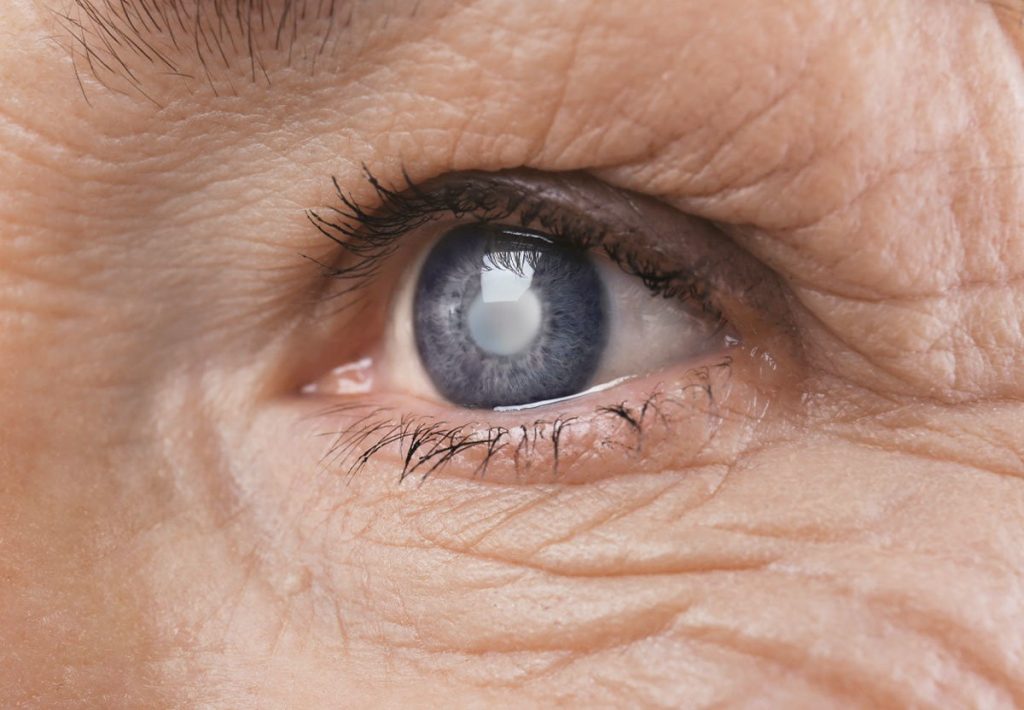
After cataract surgery, your cloudy natural lens is replaced with an artificial intraocular lens (IOL). The thin capsule that once held your natural lens remains to support the IOL. Over time, some residual lens epithelial cells can migrate across that capsule and cause a clouding known as Posterior Capsule Opacification (PCO). (watch also this video)
Why PCO is often called “secondary cataract”?
Because PCO may lead to symptoms similar to the original cataract (blurred or hazy vision), many patients and even some doctors refer to it as a “secondary cataract.” However, the artificial IOL does not develop a true cataract the cloudiness comes from the capsule.
How common is PCO?
Studies suggest that a significant portion of patients typically around 20–30% may develop visually significant PCO in the years following cataract surgery.
Symptoms: Blurred Vision Returning After Successful Cataract Surgery
If you had clear vision after your cataract removal but later begin to notice deterioration, you may be experiencing symptoms that require secondary cataract treatment. Watch for the following signs:
- Gradual blurred or cloudy vision, as if looking through fog or frosted glass.
- Glare or halos around bright lights, especially while driving or in nighttime settings.
- Reduced contrast or difficulty reading small print or seeing clearly in low-light environments.
- Increased light sensitivity or eye strain during everyday tasks.
When these symptoms appear months or even years after surgery, a detailed eye examination may reveal Posterior Capsule Opacification (PCO) the main condition that leads patients to seek secondary cataract treatment. (watch this)
The Solution: YAG Laser Capsulotomy Procedure
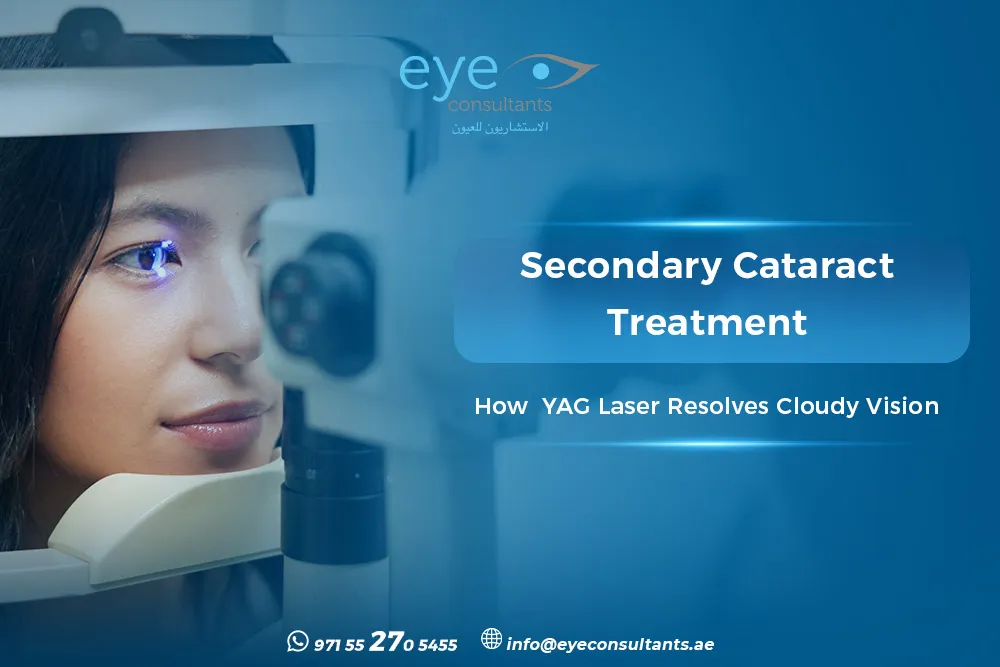
When PCO begins to interfere with vision, the most effective secondary cataract treatment is YAG Laser Capsulotomy, a fast outpatient procedure designed to clear the cloudy capsule and restore visual sharpness.
How It Works?
- The ophthalmologist uses a precise Nd:YAG laser to create a small opening in the clouded posterior capsule located behind the intraocular lens (IOL).
- This opening re-establishes a clear optical pathway, allowing light to reach the retina without obstruction.
- The technique is minimally invasive:
- No incisions
- No stitches
- No general anesthesia
- Only topical numbing drops and simple preparation are typically required.
This approach makes YAG laser one of the safest and most efficient options used in modern secondary cataract treatment.
When It’s Indicated
Your specialist may recommend YAG capsulotomy when:
- PCO has significantly reduced visual clarity.
- Symptoms like glare, halos, or blurred vision start affecting daily tasks such as reading, driving, or screen use.
- A detailed eye examination confirms the diagnosis through slit-lamp evaluation and assessment of the IOL and capsule.
YAG Laser Capsulotomy remains the gold-standard secondary cataract treatment for PCO, offering predictable and long-lasting improvement in vision.
What to Expect from the YAG Laser Treatment
One reason many patients favor YAG laser treatment is its simplicity and speed. Here’s what typically happens:
- Short procedure time: the laser capsulotomy usually takes only a few minutes per eye.
- Rapid vision improvement: many patients notice clearer vision within 24 hours, sometimes even sooner.
- Minimal recovery needs: no stitches, often no significant downtime. Some may experience mild floaters or temporary light sensitivity, which usually fade over time.
- Low complication rate: while generally safe, possible risks include slight rise in intraocular pressure, IOL displacement, very rarely retinal detachment or macular changes.
Why Choose Eye Consultants Center for Secondary Cataract Treatment
At Eye Consultants Center, patients receive precise and reliable care throughout their secondary cataract treatment journey:
- Accurate PCO diagnosis: Specialists provide detailed follow-up exams to detect PCO early and confirm the right treatment.
- Safe, advanced YAG laser technology: The center uses modern laser systems with strict safety standards for a smooth, precise procedure.
- Clear guidance and personalized care: Patients receive tailored evaluations and simple explanations at every step.
- Quick outpatient treatment: YAG laser is performed efficiently with minimal downtime and supportive follow-up.
Choosing Eye Consultants Center ensures safe care, precise diagnosis, and a comfortable experience.
Book your consultation today. If you’re noticing blurred vision, glare, or halos, contact us for a full eye exam and timely secondary cataract treatment.
Conclusion:
In conclusion, If your vision has turned hazy again after cataract surgery, you may be experiencing “secondary cataract.” The good news: with YAG laser capsulotomy, you can often regain clear vision quickly and safely, sometimes in a single short clinic visit.
Read also:
Warning Signs of Glaucoma: Early Detection Saves Your Vision in Dubai
Best Artificial Tears for Dry Eyes: Medical Guide and Product Recommendations Dubai