


Al Razi Bldg No. 64, Block C, 1st Floor, Unit 1017, Healthcare City, Dubai
Visit us

Dry Eye Treatment

Advanced dry eye treatment offering targeted relief, modern in‑office therapies, and customized care to restore lasting eye comfort, protect the ocular surface, and enhance visual quality.

What Is Corneal Keratoconus?

The cornea, the eye’s clear outer lens, is typically dome-shaped, but when it weakens, it can bulge outward, forming a cone shape known as keratoconus. This condition results from collagen fibers in the eye losing their strength due to a lack of protective antioxidants, leading to corneal deformation.

Corneal transplantation is a common procedure used to treat various conditions, such as:

  • Keratoconus: Abnormal cone-like corneal shape
  • Keratitis: Infections caused by pathogens like amoebas, bacteria, fungi, or viruses
  • Corneal dystrophies: Structural changes in the cornea without prior inflammation or infection
  • Bullous keratopathy: Fluid imbalance leading to corneal edema and deterioration
  • Corneal opacity: Loss of corneal transparency

What is Dry Eye?

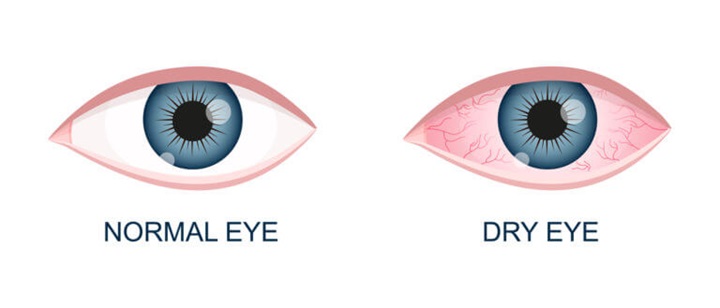
Dry eye syndrome is a condition that occurs when the eyes are unable to maintain a healthy layer of tears. Tears are essential for lubricating the eyes, washing away debris, and ensuring clear vision. When the eyes fail to produce an adequate amount of tears or the tears evaporate too quickly, it results in discomfort and irritation.

Symptoms of Dry Eye

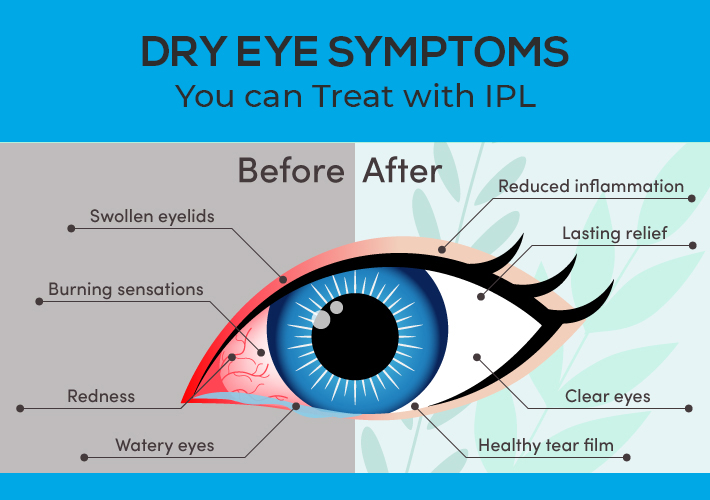
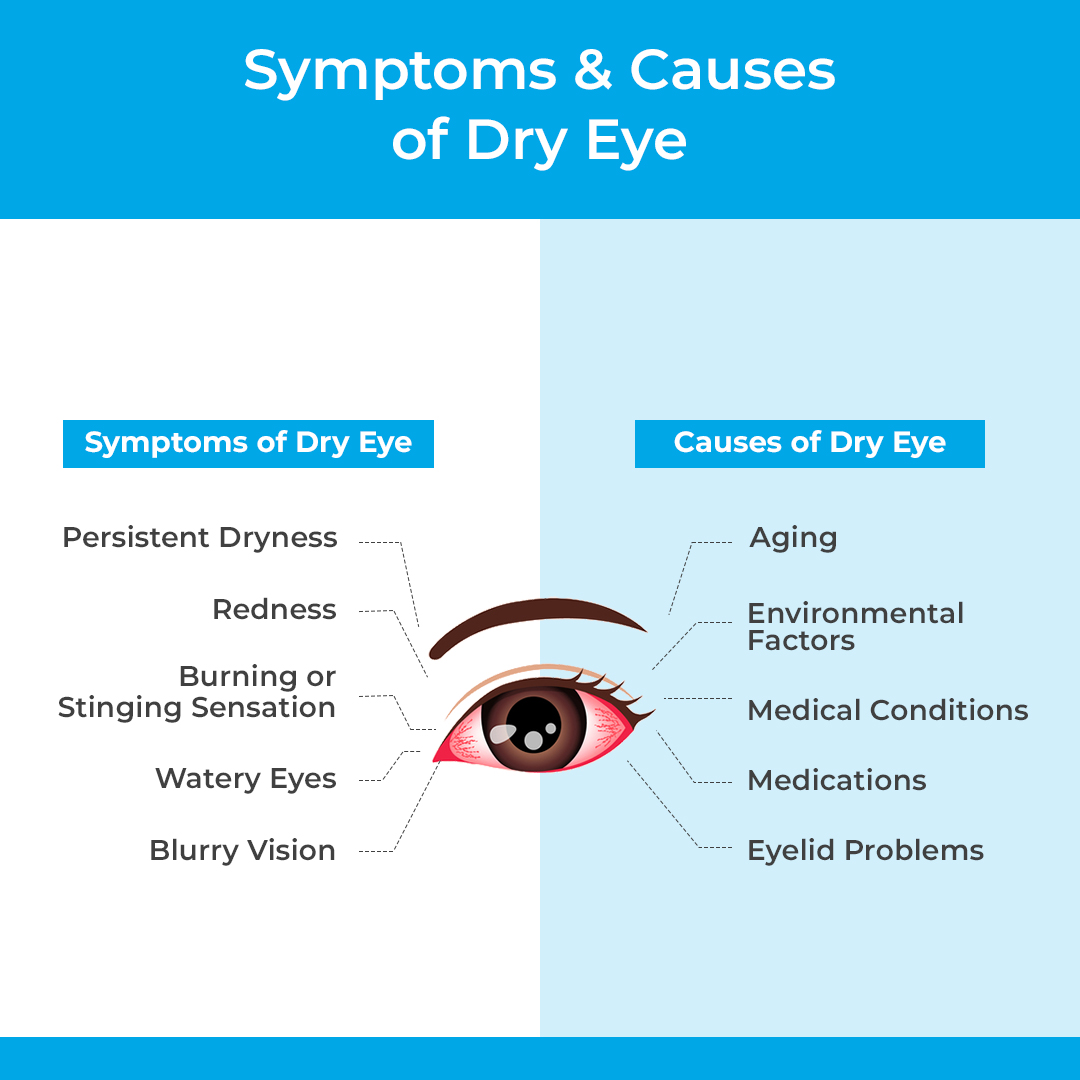
  • Persistent Dryness: The eyes may feel consistently dry or gritty.
  • Redness: Increased bloodshot appearance in the eyes.
  • Burning or Stinging Sensation: Eyes may feel like they’re burning or stinging.
  • Watery Eyes: Paradoxically, dry eye can cause excessive tearing as a response to irritation.
  • Blurry Vision: Vision may become intermittently blurry.

Symptoms of Dry Eye

Dry Eye Treatment Options

Artificial Tears: 

Over-the-counter eye drops can provide relief by supplementing natural tears.

Lifestyle Adjustments: 

Taking breaks during screen time, staying hydrated, and using a humidifier can help alleviate symptoms.

Prescription Medications:

In some cases, prescription eye drops or medications may be recommended.

Causes of Dry Eye

  • Aging: As people age, tear production typically diminishes.
  • Environmental Factors: Dry or windy climates, smoke, or prolonged screen time can contribute to dry eye.
  • Medical Conditions: Conditions like diabetes, lupus, rheumatoid arthritis, or thyroid disorders may increase the risk.
  • Medications: Certain medications like antihistamines, decongestants, or hormone replacement therapy can induce dry eye symptoms.
  • Eyelid Problems: Poor eyelid function or conditions affecting the eyelids can lead to inadequate tear distribution.

Related Doctors

Symptoms of Dry Eye

Scroll to Top