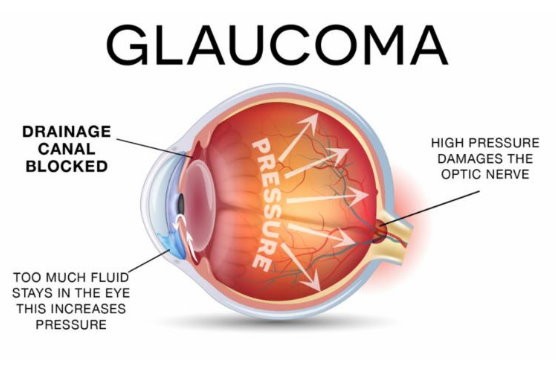



Low vision aids for glaucoma are often the turning point when everyday activities start to feel less safe, less predictable, and more exhausting. You may still read messages or recognize faces, yet struggle with stairs, dim lighting, or navigating crowded spaces. This shift is not random it reflects how glaucoma affects side vision first. When peripheral awareness changes, the right support can restore confidence and independence in ways many patients do not expect. That is where a structured approach to low vision aids for glaucoma becomes essential.
✆ WhatsappLow vision aids for glaucoma – what patients should know
Understanding the role of support tools is the first step toward better daily function.
- Low vision aids for glaucoma are designed for functional improvement, not just visual clarity
- They support mobility, contrast, safety, and environmental awareness
- They work alongside ongoing glaucoma care, not as a replacement
- They help patients adapt earlier, before limitations become severe
For many patients, introducing low vision aids for glaucoma early can significantly reduce frustration and improve day-to-day confidence. (Watch this video)
How glaucoma-related vision loss affects daily life differently from central-vision diseases
The pattern of vision loss determines the type of support needed.
Glaucoma typically affects peripheral vision, which means patients may:
- miss obstacles or steps
- feel unsafe in unfamiliar environments
- struggle with contrast rather than clarity
- experience difficulty navigating crowded areas
This is why glaucoma low vision rehabilitation focuses less on magnification and more on awareness, scanning techniques, and safe movement. In this context, low vision aids for glaucoma are tailored to real-life challenges, not just visual acuity.
Which low vision aids can help with mobility, contrast, and home safety
Choosing the right device depends on how vision loss affects daily tasks.
Helpful options include:
- high-contrast lighting for improved visibility
- anti-glare filters for better comfort in bright environments
- tactile markers and large-print labels at home
- scanning and orientation techniques for safer movement
- selected optical tools for specific cases of field loss
For patients with reduced side vision, low vision devices for peripheral vision loss are designed to improve environmental awareness rather than magnify detail.
This is where glaucoma mobility aids play a critical role, helping patients move more safely, detect obstacles earlier, and maintain confidence in unfamiliar environments.
When combined with the right strategies, these tools become a core part of effective low vision aids for glaucoma planning.
Practical rehabilitation tips for reading, stairs, and navigation
Small adjustments can make a meaningful difference.
Recommended strategies:
- increase lighting and contrast for reading tasks
- mark stair edges clearly to prevent missteps
- keep walkways uncluttered for easier navigation
- use structured scanning when moving in busy areas
- organize home environments for predictability
These steps form the foundation of visual rehab for glaucoma, where the goal is to optimize how remaining vision is used. In many cases, combining these strategies with low vision aids for glaucoma leads to noticeable improvement in daily performance.
What to expect during a low-vision assessment
A proper assessment focuses on function, not just vision measurements.
It typically includes:
- discussion of daily challenges and lifestyle needs
- evaluation of contrast sensitivity and functional vision
- testing different devices in real-life scenarios
- recommendations for home and work environments
- a personalized rehabilitation plan
At Eye Consultants Center, Contact Lenses & Low Vision services provide a structured approach to evaluating and selecting the most suitable low vision aids for glaucoma based on individual needs.
When rehabilitation should start and why early support matters
Timing plays a critical role in outcomes.
Rehabilitation should begin when:
- daily tasks become more difficult
- confidence in movement decreases
- visual fatigue increases
- safety becomes a concern
Early use of low vision aids for glaucoma helps patients adapt gradually, rather than reacting to advanced limitations. This proactive approach improves both independence and quality of life.
Why choose Eye Consultants Center?
Choosing the right center ensures that care is both medical and functional.
Eye Consultants Center in Dubai Healthcare City offers integrated care through:
- 14 years of clinical expertise
- ophthalmologists with 30+ years of experience
- advanced diagnostic technology
- combined services including Contact Lenses & Low Vision
This approach ensures that patients receive a comprehensive plan that includes both glaucoma management and practical rehabilitation using low vision aids for glaucoma.
If you are noticing changes in mobility, contrast, or daily confidence, now is the right time to act.
Contact us at:
or visit Al Razi Building 64, Block C, 1st Floor, Unit 1017 – Dubai Healthcare City – Dubai – United Arab Emirates.
Book your low-vision consultation today and take the first step toward safer, more confident daily living.
FAQ’S
Can glaucoma affect vision even if central sight is still clear?
Yes. Peripheral vision loss can impact movement and safety even when central vision remains relatively stable.
Are magnifiers enough for glaucoma patients?
Not always. Many patients benefit more from mobility-focused tools and environmental adjustments.
When should I consider low vision support?
As soon as daily activities feel more difficult or less safe.
Can these aids improve independence?
Yes. With the right plan, patients often regain confidence in movement and routine tasks.
Low vision aids for glaucoma are not just supportive tools; they are a key part of maintaining independence, safety, and quality of life. With early assessment and a personalized plan, patients can continue to navigate their daily environments with greater confidence and control.
✆ Whatsapp