


Retinopathy of Prematurity
Early screening and timely ophthalmic care for premature babies at risk of Retinopathy of Prematurity, with specialized follow up focused on protecting developing vision.
Retinopathy of Prematurity
When a baby is born very early or with a low birth weight, the blood vessels in the retina may not have finished developing. This can lead to Retinopathy of Prematurity (ROP), an eye condition that requires timely and regular ophthalmic assessment.
Most cases of ROP are mild and improve naturally as the baby’s eyes develop. However, some babies can develop more severe disease that may cause retinal damage, vision loss or blindness if it is not detected and treated in time.
In the UAE, studies have reported ROP in around 27% of preterm infants, although the rate varies depending on the degree of prematurity and the baby’s medical condition.

What Is Retinopathy of Prematurity?
Retinopathy of Prematurity is an eye condition that can affect premature babies, particularly those born very early or with a low birth weight.
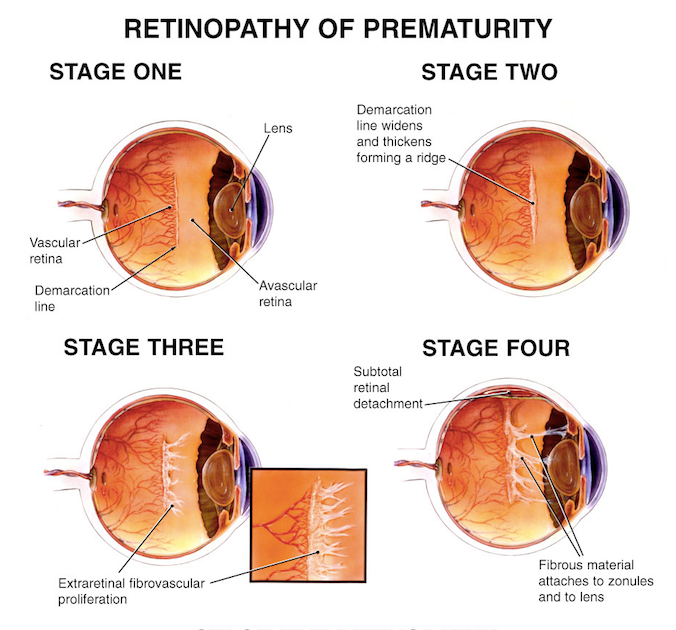
The retina is the light sensitive part at the back of the eye. When a baby is born prematurely, the blood vessels in the retina may not have completed their normal development. In some babies, this can lead to abnormal blood vessel growth and progression of ROP.
Retinopathy of Prematurity Screening
The most important step in managing ROP is early and regular eye screening.
Babies at risk are examined by an ophthalmologist at specific times during their stay in the neonatal unit and after discharge. The timing and frequency of examinations depend on the baby’s clinical condition and retinal findings.
Regular follow up allows the ophthalmologist to monitor the development of the retina and identify disease that may require treatment.
Retinopathy of Prematurity Symptoms and Stages
ROP usually cannot be identified by parents through visible changes in the early stages. Professional eye screening is essential to assess the retina and determine the type, location and severity of the disease.
Parents should follow the screening and follow up schedule recommended by the ophthalmologist rather than waiting for noticeable changes in their baby’s vision.
Retinopathy of Prematurity Treatment
If ROP is mild, regular eye examinations may be all that is needed while the baby’s eyes continue to develop.
If ROP becomes severe, treatment may be required. Depending on the type and location of the disease, retinopathy of prematurity treatment may include:
Laser Treatment
Laser treatment helps stop abnormal blood vessel growth in the retina.
Anti VEGF Treatment
Anti VEGF medication may be given as an injection into the eye and can be particularly useful for certain severe forms of ROP.
Surgery
In very advanced cases, surgery may be required.
Related Doctors
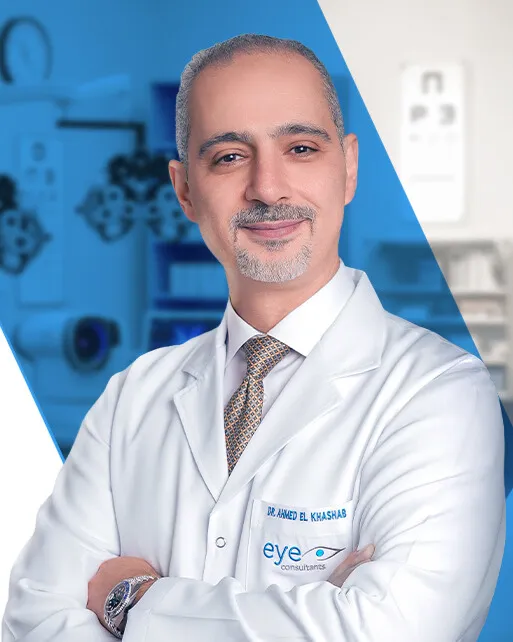
Consultant Ophthalmologist
Vitreo Retinal & Anterior Segment Surgeon
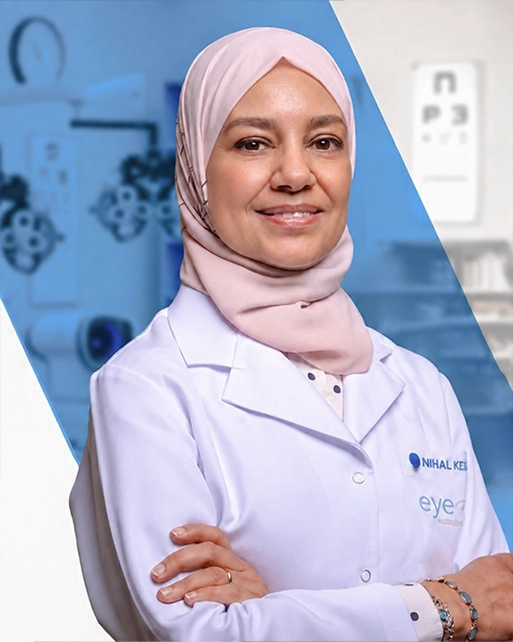
Consultant Ophthalmologist / Medical Retina, Ocular Oncology & Retinopathy of Prematurit
Frequently Asked Questions
What are the symptoms of Retinopathy of Prematurity?
Early ROP usually has no visible signs, which is why regular eye screening is essential. In advanced cases, retinal damage may lead to vision problems or noticeable changes such as unusual eye movements or white pupils.
What are the Retinopathy of Prematurity stages?
Retinopathy of Prematurity is classified into five stages, ranging from early retinal changes to advanced disease involving partial or complete retinal detachment. Not every stage requires treatment; management depends on the severity and location of the disease.
Can Retinopathy of Prematurity progress quickly?
Yes. Some forms of ROP can progress rapidly, making timely screening and regular follow up important for detecting changes early.
Can ROP come back after treatment?
ROP can become active again after initially improving, particularly following anti VEGF treatment. Continued follow up is therefore important after treatment.
Can Retinopathy of Prematurity affect vision later in life?
Yes. Children who have had ROP may have a higher risk of developing other eye conditions later, including myopia, amblyopia, strabismus and retinal problems. Regular eye examinations help monitor their visual development.
Client's Review
Trustindex verifies that the original source of the review is Google. Posted on GoogleTrustindex verifies that the original source of the review is Google. A very nice hospital, service and the doctor (Dr Ahmad). Appreciate support and professionalism. All the bestPosted on GoogleTrustindex verifies that the original source of the review is Google. الدكتور أحمد الخشاب كلمة ممتاز بحقه قليلة، دكتور بقمة الاحترافية والمهنية والرقي شطارة واسلوب الله ينفع الناس بعلمهPosted on GoogleTrustindex verifies that the original source of the review is Google. Posted on GoogleTrustindex verifies that the original source of the review is Google. Posted on GoogleTrustindex verifies that the original source of the review is Google. Eye consultants is the best , and I would like to thank the professionalism of the staff since day one I came in especially Sandra and Wafaa. A special gratitude to Dr. Ahmed El khashab for his kindness and his humanity in dealing with patientsPosted on GoogleTrustindex verifies that the original source of the review is Google. مركز محترم جدا ودكتور ودكتور محمود خطاب ممتاز ومحترم وتعامله راقى جدا وكمان فى رسبشن ليزا دميان تعامل راقى ومحترم جدا مع عملاء شكرا A highly respectable center, and Dr. Mahmoud Khattab is excellent and truly professional. Lisa Demian at the reception is also wonderful and very polite in her interactions. Thank you.Posted on GoogleTrustindex verifies that the original source of the review is Google. I would like to express my sincere appreciation to Dr. Nadira for her wonderful care and professionalism. I have started my treatment at the clinic, and she is truly one of the best doctors there. I would also like to thank Alice from the customer service team for her excellent support and wonderful service.Posted on GoogleTrustindex verifies that the original source of the review is Google. شكرا لدكتور احمد الخشاب...وكل العاملينPosted on GoogleTrustindex verifies that the original source of the review is Google. We have been a regular patient of Dr Sherif at eye consultants and we have the best experience with him from last 2 years plus .He s one of the finest doctors we have met who explains every detail of the treatment well and we are happy that he is our treating doctor and has his best expertise in the field. Thank you very much Dr .Sherif and we also thank the optometrist Ms Umaira who has been very kind and patient with us and the entire team is very professional and helpful always..Thank you Eye consultants team keep up the good work and service .