


Trabeculectomy recovery is often the moment that makes patients hesitate, especially when glaucoma has already started to affect daily vision and treatments no longer feel effective. The idea of surgery brings important questions: how long will healing take, when will vision improve, and how careful do you need to be afterward? Understanding what really happens during trabeculectomy recovery can remove uncertainty and help you move forward with confidence.
✆ WhatsappTrabeculectomy recovery – what patients should realistically expect
Recovery after trabeculectomy follows a gradual, structured process rather than an immediate transformation.
- Trabeculectomy recovery may include temporary redness, mild discomfort, and blurred vision in the first days
- Vision improves step by step, not instantly
- Close follow-up is essential to monitor pressure and healing
- Proper trabeculectomy aftercare directly supports long-term results
Why is trabeculectomy recommended in some glaucoma cases
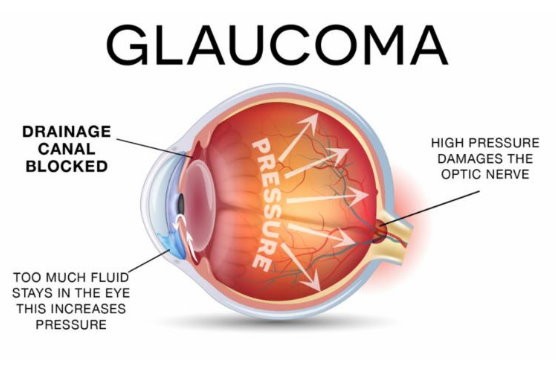
When glaucoma is not controlled with medications or laser treatment, pressure inside the eye can continue to damage the optic nerve. (Watch this video)
Trabeculectomy is considered when:
- Eye pressure remains above safe levels
- There is an ongoing risk of vision loss
- Long-term pressure control cannot be achieved with drops alone
What the surgery does to lower pressure
The goal of trabeculectomy is to safely reduce intraocular pressure.
- A new drainage pathway is created inside the eye
- Fluid collects in a small controlled area called a bleb
- This process helps lower the pressure to a safer range
- Trabeculectomy success depends on the healing quality and follow-up care
Recovery timeline: first day, first week, first month
Knowing the stages of glaucoma surgery recovery helps set realistic expectations.
- First day: redness, sensitivity, and blurred vision are common
- First week: healing stabilizes, but monitoring remains critical
- First month: vision gradually improves, and pressure becomes more stable
- Additional adjustments may be needed during follow-up visits
Eye drops, shielding, activity limits, and return-to-work guidance
Daily habits play a key role in safe trabeculectomy recovery.
- Eye drops should be used exactly as prescribed
- Protective shielding is usually needed during sleep
- Avoid heavy lifting, bending, and intense activity early on
- Light daily activities can be resumed gradually
- Return to work depends on healing progress and job type
Bleb care, warning signs, and when to seek urgent care
Protecting the surgical area is essential for long-term success.
- Gentle care supports proper healing
- Consistent glaucoma bleb care helps maintain pressure control
- Seek urgent care if you notice:
- Increasing pain
- Sudden drop in vision
- Severe redness or discharge
- Early action helps protect the outcome of trabeculectomy recovery
Why choose Eye Consultants Center?
Choosing the right center plays a major role in both surgical success and recovery experience.
At Eye Consultants Center in Dubai Healthcare City, patients benefit from:
- 14 years of clinical excellence in specialized eye care
- Doctors with over 30 years of experience
- Advanced diagnostic and surgical technology
- A comprehensive approach to Glaucoma Treatment
- Continuous support throughout every stage of trabeculectomy recovery
If you are considering surgery and want clear, personalized guidance about trabeculectomy recovery, the next step is a professional consultation.
Start your journey toward safer vision with expert care and a plan tailored to your condition.
Contact us at:
or visit Al Razi Building 64, Block C, 1st Floor, Unit 1017 – Dubai Healthcare City – Dubai – United Arab Emirates.
FAQ’S
How long does trabeculectomy recovery take?
Initial healing usually takes a few weeks, while full stabilization may take longer depending on the case.
Is blurred vision normal after surgery?
Yes, temporary blurred vision is expected during early trabeculectomy recovery and improves gradually.
Will I still need glaucoma medication?
Some patients may reduce medications, but this depends on how well pressure is controlled after surgery.
What is a bleb, and why is it important?
A bleb is the drainage area created during surgery and is essential for lowering eye pressure.
Understanding trabeculectomy recovery is not just about knowing how the eye heals; it is about feeling confident in the decision to protect your vision. With the right expectations, proper aftercare, and consistent follow-up, recovery becomes a structured and manageable process rather than a source of concern. If you are at the stage of considering surgery, getting the right guidance early can make all the difference in both your comfort and long-term results.
✆ Whatsapp