



Burning, gritty eyes that stay uncomfortable despite frequent drops are more than a daily irritation. Severe dry eye can blur vision, make screen work difficult, limit contact lens wear, and damage the eye’s surface if left uncontrolled. Finding the best treatment for severe dry eye begins with identifying why the tear film is failing, rather than simply trying another over-the-counter product.
For many patients, dry eye is not caused by a lack of tears alone. It may involve poor tear quality, eyelid gland blockage, inflammation, an autoimmune condition, medication effects, or several factors at the same time. A specialist examination is the most reliable way to build a treatment plan that protects comfort and vision.
What makes dry eye severe?
Dry eye becomes severe when symptoms persist despite basic measures, interfere with normal activities, or are accompanied by signs of corneal surface damage. Patients may describe sharp pain, light sensitivity, redness, fluctuating vision, excessive tearing, or the sensation that something is trapped in the eye. Paradoxically, watery eyes can still be a sign of dry eye because irritation may trigger reflex tearing that does not properly lubricate the surface.
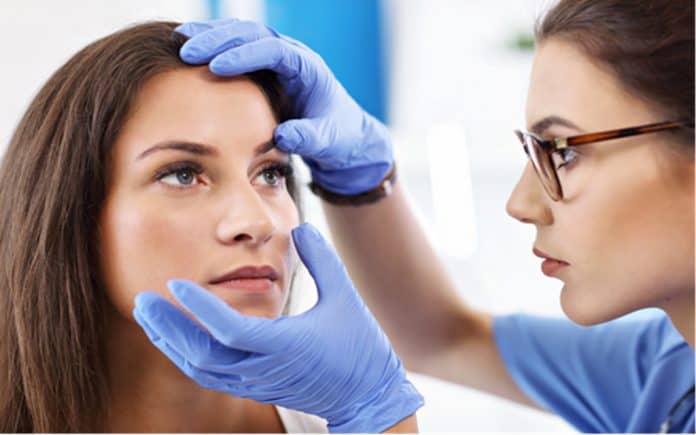
A comprehensive assessment goes beyond checking vision. An ophthalmologist may evaluate the tear film, corneal staining, tear production, tear breakup time, eyelid position, and the function of the meibomian glands along the eyelid margins. These glands produce the oily layer of tears that slows evaporation. When they are blocked or unhealthy, tears can evaporate too quickly even when tear production seems adequate.
The examination should also look for contributing conditions such as blepharitis, allergic eye disease, rosacea, thyroid eye disease, diabetes, rheumatoid arthritis, or Sjogren’s syndrome. Previous laser vision correction, cataract surgery, long-term contact lens use, and certain medications can also affect the ocular surface.
Best treatment for severe dry eye: treatment must match the cause
There is no single best treatment for severe dry eye for every patient. The right approach often combines surface lubrication, inflammation control, eyelid treatment, and follow-up monitoring. The goal is not only to reduce symptoms, but also to restore a healthier tear film and prevent ongoing corneal injury.
Preservative-free lubrication and moisture protection
Preservative-free artificial tears are often the starting point for frequent symptoms. They can supplement the tear film without exposing the eye to preservatives that may become irritating when drops are used many times a day. For overnight dryness, lubricating gels or ointments may be recommended, although they can temporarily blur vision.
These products are supportive rather than curative. If a patient needs drops constantly, wakes with painful eyes, or continues to have blurry vision, it is time to look beyond lubrication alone. In selected cases, moisture chamber eyewear may reduce exposure to air conditioning, wind, and dry environments. This can be especially helpful in Dubai’s hot climate and for patients who spend long hours in air-conditioned offices.
Controlling ocular surface inflammation
Inflammation is a central part of many cases of chronic dry eye. It can disrupt tear production, worsen irritation, and create a cycle in which the ocular surface becomes increasingly sensitive.
Prescription anti-inflammatory eye drops may be used to reduce this process over time. These treatments do not usually provide immediate relief, and consistent use is often necessary before improvement is noticeable. A short, carefully supervised course of steroid drops may sometimes be prescribed to settle significant inflammation more quickly. Steroid drops should never be self-started or continued without ophthalmic supervision because they can raise eye pressure or contribute to cataract formation in some patients.
For patients with underlying systemic inflammation or suspected autoimmune disease, coordinated care with the appropriate medical specialist may be essential. Treating the eye surface without addressing the broader condition may provide only partial relief.
Treating meibomian gland dysfunction
Meibomian gland dysfunction is one of the most common drivers of evaporative dry eye. The eyelid glands may produce oil that is thick, poor in quality, or unable to flow onto the eye’s surface. Symptoms often worsen later in the day, during screen use, or in air-conditioned environments.
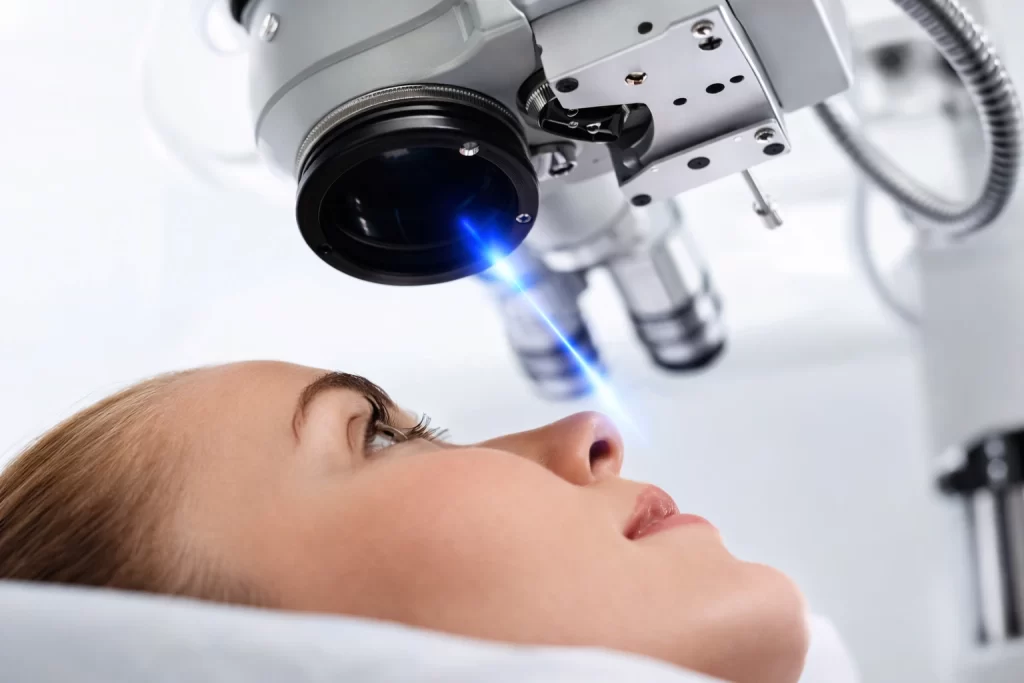
Daily warm compresses and gentle lid hygiene can help some patients, but severe blockage may require in-office treatment. Depending on the findings, an ophthalmologist may recommend thermal treatment to warm and express blocked glands, or light-based therapy for suitable patients with inflammation and rosacea-related eyelid disease. These procedures can improve gland function, but results vary according to the extent of gland damage and the patient’s ongoing home care.
Eyelid hygiene should be specific and gentle. Scrubbing aggressively or using irritating products can make symptoms worse. A clinician can recommend an approach based on whether the primary problem is gland blockage, lash debris, Demodex infestation, allergy, or another eyelid condition.
Preserving natural tears with punctal plugs
Punctal plugs are tiny devices placed in the tear drainage openings, called puncta. They slow tear drainage so the tears and lubricating drops already present on the eye remain longer. They may be temporary, dissolvable, or longer-lasting depending on the patient’s needs.
This option can be valuable when tear production is low, including in patients with autoimmune dry eye. However, plugs are not always the first step. If substantial eyelid or ocular surface inflammation is active, retaining inflammatory tears may worsen discomfort. Many patients benefit most when inflammation has been brought under control before tear drainage is reduced.
Advanced options for persistent corneal disease
When standard therapies are not enough, advanced treatment may be needed to protect the cornea and relieve pain. Autologous serum tears, prepared from a patient’s own blood components, can provide growth factors and other natural substances not found in conventional artificial tears. They may be considered for significant ocular surface disease, persistent corneal staining, or dry eye related to certain autoimmune conditions.
Scleral contact lenses are another important option for selected patients. These large, specialized lenses vault over the cornea and hold a reservoir of fluid against the eye. They can improve comfort and vision for people with severe surface disease, but fitting requires expertise and regular follow-up. They are medical devices, not simply standard contact lenses, and careful lens hygiene is essential.
In cases where there is a persistent epithelial defect or substantial corneal damage, an ophthalmologist may consider additional protective measures, including therapeutic lenses or biologic surface therapies. These decisions depend on the degree of corneal involvement and the cause of the dry eye.
Daily habits that support medical treatment
Lifestyle adjustments cannot replace treatment for severe disease, but they can make a meaningful difference. Screen users should take regular blink breaks, because focused work reduces both blink rate and blink quality. Positioning screens slightly below eye level can also reduce the exposed eye surface.
It is helpful to avoid direct air from car vents, fans, and air-conditioning units. Staying hydrated supports general health, although drinking extra water alone will not resolve gland dysfunction or inflammation. If contact lenses aggravate symptoms, a temporary break or a different lens strategy may be safer than trying to push through discomfort.
Review medications with the prescribing physician rather than stopping them independently. Antihistamines, some antidepressants, acne treatments, blood pressure medicines, and other medications can contribute to dryness. There may be alternatives, but those choices must balance eye symptoms with overall health needs.
When severe dry eye needs urgent evaluation
Dry eye should not be assumed to be the cause of every red, painful, or blurry eye. Prompt ophthalmic evaluation is needed for sudden vision loss, severe pain, marked light sensitivity, discharge, eye injury, or redness that is rapidly worsening. These symptoms can indicate infection, corneal ulceration, uveitis, acute glaucoma, or other conditions requiring timely care.
Patients who have had recent eye surgery, wear contact lenses, or have a weakened immune system should be particularly cautious. Using leftover steroid drops or someone else’s eye medication can mask a serious problem and delay the correct diagnosis.
At Eye Consultants Center, specialist ophthalmologists can assess the tear film, eyelids, and corneal surface in detail, then develop a plan that reflects the severity and cause of each patient’s condition. Severe dry eye often improves through a structured approach, but it deserves more than repeated trial and error. A focused consultation can help turn persistent discomfort into a clear, medically guided path toward healthier eyes.