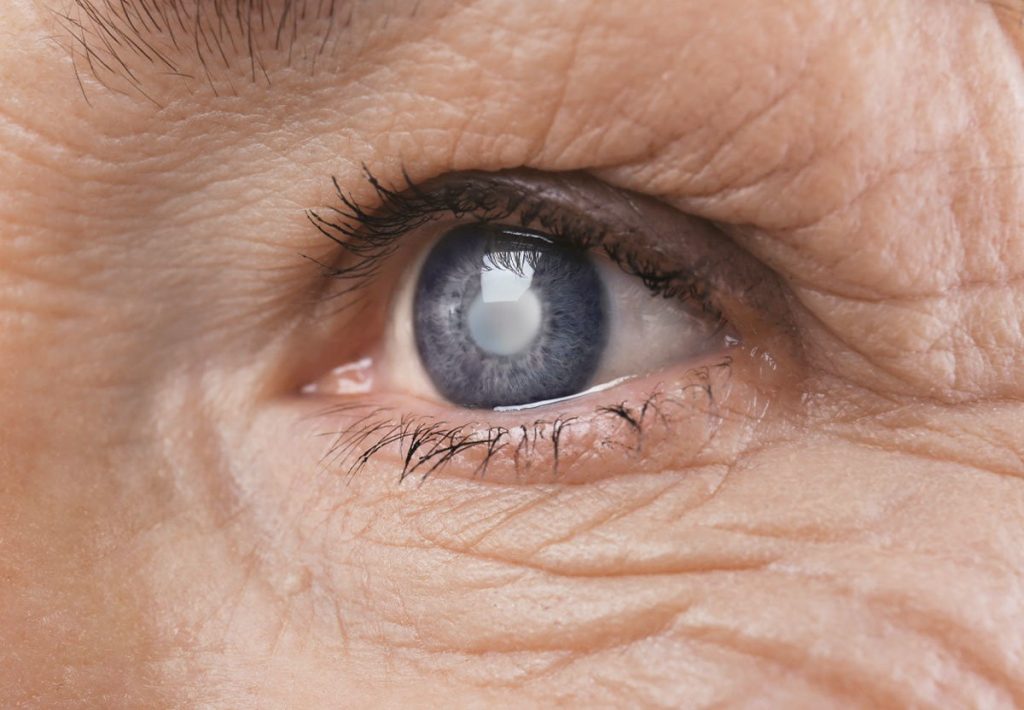



Cataract surgery for diabetic patients often becomes an urgent question after a familiar moment: blurred vision while reading messages, glare during night driving, or a sudden drop in visual clarity that feels stronger than usual. For people living with diabetes, cataracts may appear earlier, and surgery needs more than a routine plan. The lens may be cloudy, but the retina also deserves close attention. That is why the right timing, assessment, and follow-up can make all the difference before vision starts holding daily life back.
Cataract Surgery for Diabetic Patients – Why Extra Planning Matters
Diabetes can affect multiple structures in the eye, not just the lens, which makes careful evaluation essential before cataract surgery.
- People with diabetes have a higher risk of cataract, diabetic retinopathy, and diabetic macular edema.
- Cataract surgery is highly effective, but diabetic eyes may need closer retinal evaluation before surgery.
- If diabetic retinopathy or macular swelling is already present, the surgical plan and follow-up schedule may need adjustment.
What Should Be Checked Before Surgery?
A safe plan starts with a full eye assessment, not just confirming the cataract.
- Dilated retinal examination helps detect diabetic retinopathy early.
- OCT imaging may be used to look for diabetic macular edema before surgery.
- Blood sugar, blood pressure, and cholesterol control matter because they influence retinal risk and visual recovery.
- Lens planning is also important, especially when selecting the most suitable IOL for lifestyle and eye condition. Eye Consultants highlights advanced IOL calculation and premium lens options as part of its Cataract Treatment pathway.
What Happens After Cataract Surgery?
Recovery is usually smooth, but diabetic patients need more structured monitoring.
- Vision may improve after the cloudy lens is removed, yet final results also depend on retinal health.
- Some patients need closer follow-up because diabetic macular edema can appear or worsen after surgery.
- Ongoing retina checks during the first months are important, especially if diabetic retinopathy existed before surgery. (Watch this video)
Why Choose Eye Consultants Center for This Procedure?
Choosing the right center is part of successful cataract surgery for diabetic patients.
- Eye Consultants Center offers dedicated services in both Cataract Treatment and Diabetic Eye Disease care.
- The center presents itself as a Dubai ophthalmology facility built on advanced technology, subspecialty care, and compassionate patient support.
- Across its recent service pages, Eye Consultants states 14 years of center expertise and doctors with over 30 years of experience.
- The facility also highlights advanced diagnostics, modern IOL planning, phacoemulsification expertise, recognition and awards, international accreditation standards, and thousands of successful procedures yearly.
If you are noticing blur, glare, or changing vision, book your consultation for cataract surgery for diabetic patients at Eye Consultants Center.
Call us:
or visit Al Razi Building 64, Block C, 1st Floor, Unit 1017 – Dubai Healthcare City – Dubai – United Arab Emirates.
Frequently Asked Questions
Is cataract surgery safe for diabetic patients?
Yes, in many cases it is safe and effective. However, cataract surgery for diabetic patients requires proper retinal assessment and careful follow-up to ensure the best possible outcomes.
Can diabetes affect the final vision result?
Yes. While surgery can significantly improve visual clarity, pre-existing retinal conditions such as diabetic retinopathy may influence the final visual outcome.
Do diabetic patients need more follow-up visits?
Usually, yes. Patients with diabetes may require closer monitoring after the procedure to detect or manage possible issues like macular edema or progression of diabetic retinopathy.
In the end, cataract surgery for diabetic patients is not only about removing a cloudy lens. It is about protecting retinal health, planning with precision, and choosing a center that understands both cataract and diabetic eye care together.