


Contrast sensitivity loss makes subtle differences between objects and backgrounds harder to see. You may notice that faces look unclear, steps become difficult to see, or printed words appear faded, even in a well-lit room. Brightness is only one part of seeing clearly; contrast sensitivity loss, glare, and eye health also matter.
✆ WhatsappWhat Is Contrast Sensitivity Loss?
Contrast sensitivity is the ability to recognize differences in brightness between an object and its background. Black text on a white page has strong contrast, while light grey text on a similar grey background has low contrast.
With contrast sensitivity loss, subtle edges and details become harder to identify. People may struggle with faint print or objects that blend into their surroundings. (Watch also)
Why 20/20 Does Not Always Mean Normal Visual Function
A visual acuity test measures how clearly someone identifies letters or symbols at a set distance. It does not assess every aspect of vision.
This can lead to poor vision in low contrast, making everyday tasks such as reading faded text or recognizing objects more challenging.
A person may have 20/20 vision yet struggle with faces, steps, or low-contrast text. These difficulties may be related to contrast sensitivity loss, even when central vision seems clear.
Standard eye charts use dark letters against bright backgrounds, unlike many real-life situations. A visual quality assessment can reveal difficulties a routine chart may miss.
Conditions That Reduce Contrast
Several eye conditions can contribute to contrast sensitivity loss:
- Cataracts: Clouding of the natural lens can scatter light, making images hazy.
- Glaucoma: Optic nerve damage may affect visual function beyond standard acuity.
- Retinal diseases: Retinal changes can interfere with how visual information is processed.
- Diabetic eye disease: Retinal damage may reduce visual quality.
- Age-related changes: Contrast sensitivity may decline with age.
An eye examination can help identify the cause of contrast sensitivity loss. Treatment depends on the diagnosis and may involve managing the underlying condition.
Glare and Lighting
More light does not always mean better vision. Sunlight, headlights, and reflections can create glare, making details harder to distinguish. This is especially relevant for people experiencing glare and contrast sensitivity difficulties.
Glare may scatter within the eye and worsen contrast sensitivity loss. Insufficient lighting can also make objects harder to recognize, particularly when moving between bright and dark environments.
Even lighting and fewer reflections may make tasks more comfortable.
Testing
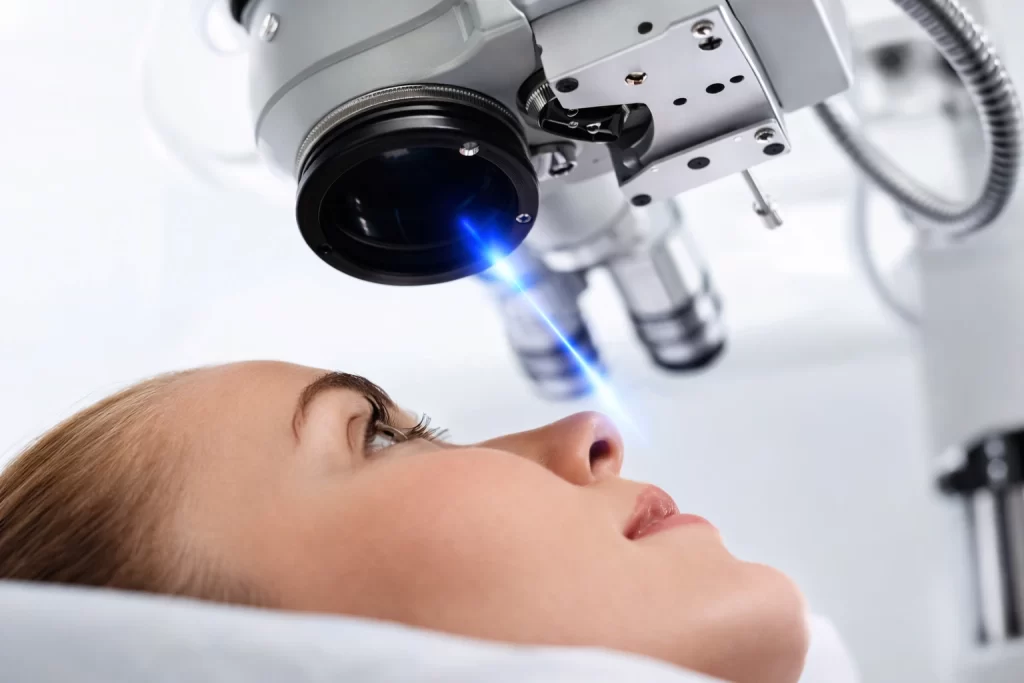
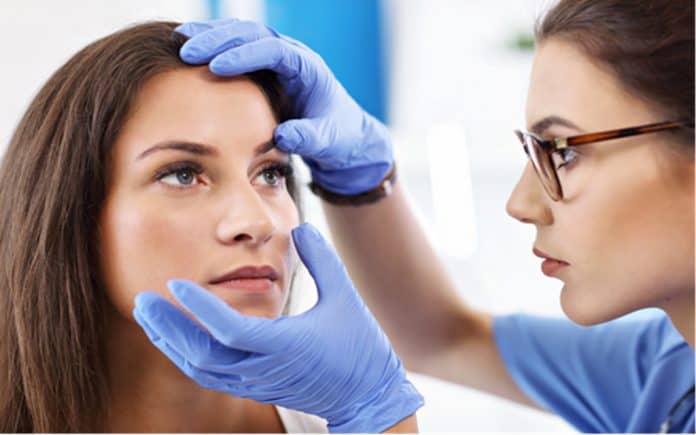
An eye examination reviews symptoms, medical history, and daily visual difficulties. An eye specialist may recommend contrast sensitivity testing to measure how well a person detects patterns at different contrast levels.
A low vision assessment may help when difficulties continue despite updated glasses or treatment. It evaluates how vision affects reading, mobility, and recognizing faces.
The assessment may include a review of symptoms, examination of the retina and optic nerve, visual acuity testing, and evaluation of glare sensitivity when appropriate.
These results show how contrast sensitivity loss affects daily life and help guide recommendations. Sudden changes in vision should be assessed promptly. (Watch this)
Low-Vision Aids
When treatment cannot fully correct the visual difficulty, practical tools may help people make better use of their remaining vision. Low vision aids may include:
- Electronic magnifiers and reading devices.
- Large-print materials.
- High-contrast settings on phones and computers.
- Task lighting that reduces shadows and reflections.
- Filters or tinted lenses when clinically appropriate.
These tools do not treat the underlying condition but may make activities easier. For people with contrast sensitivity loss, adjusting text and background contrast on digital screens may help more than simply increasing brightness.
A specialist can recommend suitable tools. (Watch also)
Why Choose Eye Consultants?
Eye Consultants Center provides comprehensive eye care, supported by more than 14 years of experience as a center and ophthalmologists with over 30 years of experience.
Services include cataract, glaucoma, retinal, diabetic eye, refractive, and low-vision care. Modern diagnostic technologies and individualized care plans help the team understand each patient’s concerns and recommend appropriate next steps.
Book an eye assessment to discuss changes in your vision and explore suitable evaluation and management options.
Contact us
or visit Al Razi Building 64, Block C, 1st Floor, Unit 1017 – Dubai Healthcare City – Dubai – United Arab Emirates.
FAQ’S
Can I have reduced contrast sensitivity with 20/20 vision?
Yes. Visual acuity and contrast sensitivity measure different aspects of vision. A person may read an eye chart clearly but struggle with similar shades.
What are common signs?
Signs include difficulty reading faint text, recognizing faces in dim light, or distinguishing steps.
Can contrast sensitivity be improved?
It depends on the cause; treatment, lighting changes, or visual aids may help.
When should I seek a low-vision assessment?
Seek assessment when vision difficulties affect daily activities, even with a normal eye chart.
Conclusion
Contrast sensitivity loss is an important aspect of functional vision that a standard eye chart may not reveal. An assessment can identify the cause and guide appropriate support.
✆ Whatsapp