


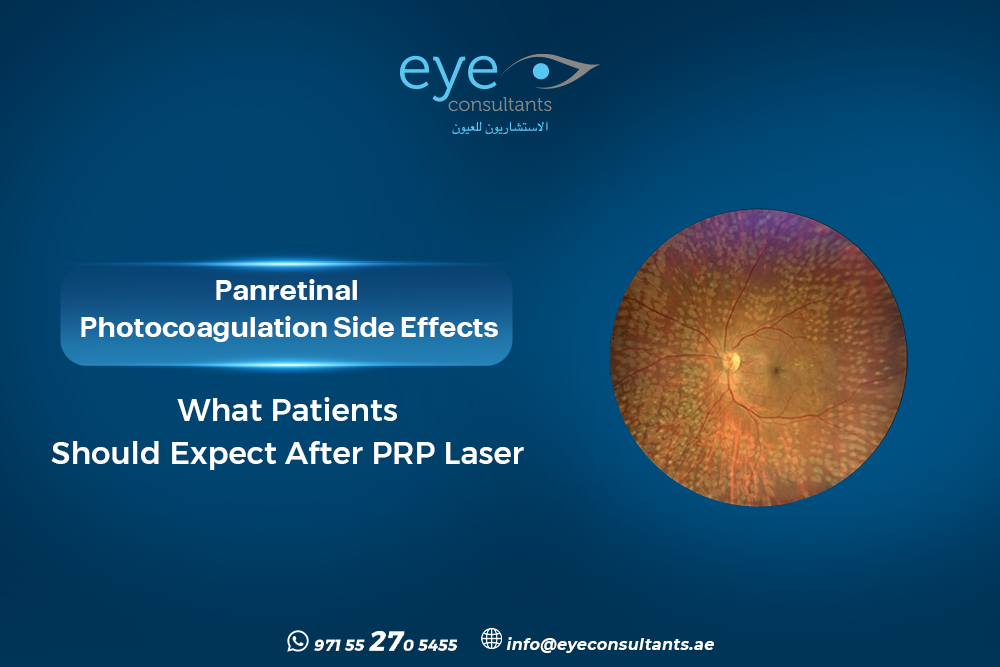
Understanding the potential panretinal photocoagulation side effects helps diabetic patients make informed and reassuring decisions to protect their vision. When an individual diagnosed with advanced diabetic retinopathy encounters early visual changes, undergoing retinal laser therapy can sometimes cause anxiety regarding what happens after the intervention. However, having clear, specialist-backed expectations about the recovery path is the first step toward a comfortable and secure treatment journey.
✆ WhatsappWhat PRP laser is used for in diabetic eye disease and other retinal problems
Panretinal photocoagulation remains a cornerstone defensive treatment designed to preserve central visual clarity and prevent severe intraocular bleeding. This highly precise ophthalmic procedure targets peripheral retinal zones suffering from poor circulation to stop the proliferation of abnormal, fragile blood vessels. Understanding potential panretinal photocoagulation side effects early helps patients prepare confidently for their clinical recovery path.
Key objectives of peripheral retinal laser ablation:
- Shrinking abnormal new blood vessels to prevent vitreous hemorrhage
- Preserving long-term visual sharpness controlled by the macula
- Minimizing the risk of tractional retinal detachment from scar tissue
- Protecting the eye against neovascular glaucoma complications
As diabetic eye disease advances, patients may experience fluctuating central clarity, which highlights the importance of timely laser intervention. These specialized sessions effectively manage proliferative changes before prolonged oxygen deprivation permanently compromises deeper, sensitive retinal structures. (Watch this video)
Common short-term effects after treatment
Experiencing certain temporary symptoms immediately following your session is a normal part of the ocular tissue responding to diabetic retinopathy laser side effects. Most individuals notice a transient drop in visual sharpness that gradually resolves as the eye stabilizes.
Expected post-laser visual adjustments:
- Mild blurriness lasting from a few hours to a couple of days
- Transient gray or dark spots appearing in the peripheral field
- Slight aching or a feeling of heaviness around the treated eye
- Temporary eye strain caused by the diagnostic contact lens placement
Throughout the panretinal photocoagulation recovery phase, the treated retinal layers begin to settle and heal. Ophthalmic monitoring helps differentiate these early adjustments from other expected panretinal photocoagulation side effects to ensure a safe recovery. (Watch this video)
Why night vision, peripheral vision, or light sensitivity may change
Retinal laser treatment can lead to specific long-term adjustments in your side vision due to the nature of the thermal energy applied to peripheral tissues. These alterations, known as PRP laser vision changes, occur because the procedure intentionally sacrifices some peripheral areas to safeguard your central sight.
Main long-term visual adaptations:
- Reduced dim-light clarity and difficulty navigating dark rooms
- Gradual narrowing or contraction of the peripheral visual field
- Heightened sensitivity to bright outdoor sunlight or oncoming headlights
- Delayed adaptation times when moving between bright and dark settings
Because the laser targets the non-essential peripheral retina, it lowers the overall ocular demand for oxygen. Retina specialists evaluate these long-term panretinal photocoagulation side effects to make sure the delicate center of your vision remains fully protected.
What is normal recovery versus what needs urgent retina review
Distinguishing between expected healing milestones and symptoms that require immediate clinical evaluation is vital for protecting your sight. Successful retinal laser aftercare relies on vigilant monitoring of any sudden structural shifts in your daily vision.
Critical symptoms demanding urgent specialist assessment:
- A sudden dark curtain or shadow blocking part of your vision
- A rapid increase in floaters accompanied by flashes of light
- Persistent, severe eye pain that does not respond to simple analgesics
- Sudden, unexplained drop in your sharp central reading vision
Regular follow-up appointments allow your ophthalmologist to assess retinal stability and ensure no new vascular leakage is developing. If you observe any sudden visual changes that deviate from typical panretinal photocoagulation side effects, booking an immediate evaluation with a retina specialist is necessary.
How follow-up imaging and additional treatment decisions are made
Determining the success of your laser sessions and evaluating the need for supplemental therapies depends heavily on advanced diagnostic imaging. Periodic non-invasive scans give your clinical team a deep understanding of your healing progress.
Essential tracking protocols during follow-up visits:
- OCT macula scans to measure central retinal thickness and check for swelling
- High-resolution fundus photography to track the regression of abnormal vessels
- Visual field testing to map and monitor peripheral boundary changes
- Combination therapy planning, such as anti-VEGF injections if edema coexists
These precise investigations enable retina specialists to closely monitor your long-term progress. Advanced imaging also helps differentiate expected panretinal photocoagulation side effects from other causes of blurred vision.
Why Choose Eye Consultants Center to Manage Your Panretinal Photocoagulation Side Effects?
Managing retinal complications caused by diabetes requires specialized expertise, high-resolution technology, and a dedicated clinical environment where patients feel fully supported. Eye Consultants Center in Dubai serves as a reassuring clinical haven, ensuring every individual receives a comprehensive understanding of their health during their treatment and retinal laser aftercare.
Patients benefit from:
- An all-inclusive ophthalmology setting providing diagnostics, imaging, and advanced laser suites under one roof
- Modern pattern scan laser technologies that deliver faster, significantly more comfortable treatment sessions
- A world-class medical team comprising senior consultants with extensive European and international clinical training
- Rigorous, tailored screening protocols optimized for patients over forty and seniors managing long-term diabetes
If you or a loved one are experiencing vision changes due to diabetes or are scheduled for an upcoming retinal laser procedure, early specialized assessment remains the definitive factor in preserving long-term sight.
Schedule your specialized consultation today through:
Phone: +971 55 270 5455 | +971 4 4211 299
Address: Al Razi Bldg No. 64, Block C, 1st Floor, Unit 1017, Dubai Healthcare City, Dubai, United Arab Emirates.
Working Hours: Monday to Thursday and Saturday: 8 AM to 8 PM | Sunday: 9 AM to 8 PM | Friday: Closed.
FAQ
How long does blurred vision from panretinal photocoagulation side effects usually last?
Temporary blurring typically persists for a few hours up to two days following the procedure. This is a normal response caused by the strong dilation drops and the bright treatment lights used during the session.
Does PRP laser always cause permanent peripheral vision loss?
Some reduction in peripheral fields and night vision is common. This is a calculated therapeutic tradeoff where minor peripheral areas are treated to reduce oxygen demand, effectively saving your critical central reading vision.
What are the most important instructions for retinal laser aftercare?
Patients should rest completely on the day of treatment, wear dark sunglasses outdoors to manage light sensitivity, apply prescribed lubricating drops regularly, and avoid heavy lifting or strenuous bending for a few days.
Is the panretinal photocoagulation procedure painful?
Most patients experience minor pinching sensations or brief cold flashes during the laser application. Anesthetic eye drops are administered before the session to make the entire experience well-tolerated and comfortable.
Conclusion
While panretinal photocoagulation side effects can involve temporary blurring or permanent changes in peripheral awareness, the procedure remains an essential, sight-saving treatment that prevents blindness from advanced diabetic complications. Because protecting your sight requires continuous expert monitoring and advanced tracking, early specialized evaluation is important for safeguarding long-term visual clarity. Book your consultation today at Eye Consultants Center to discuss your treatment expectations and guide your visual journey toward lasting stability.
✆ Whatsapp