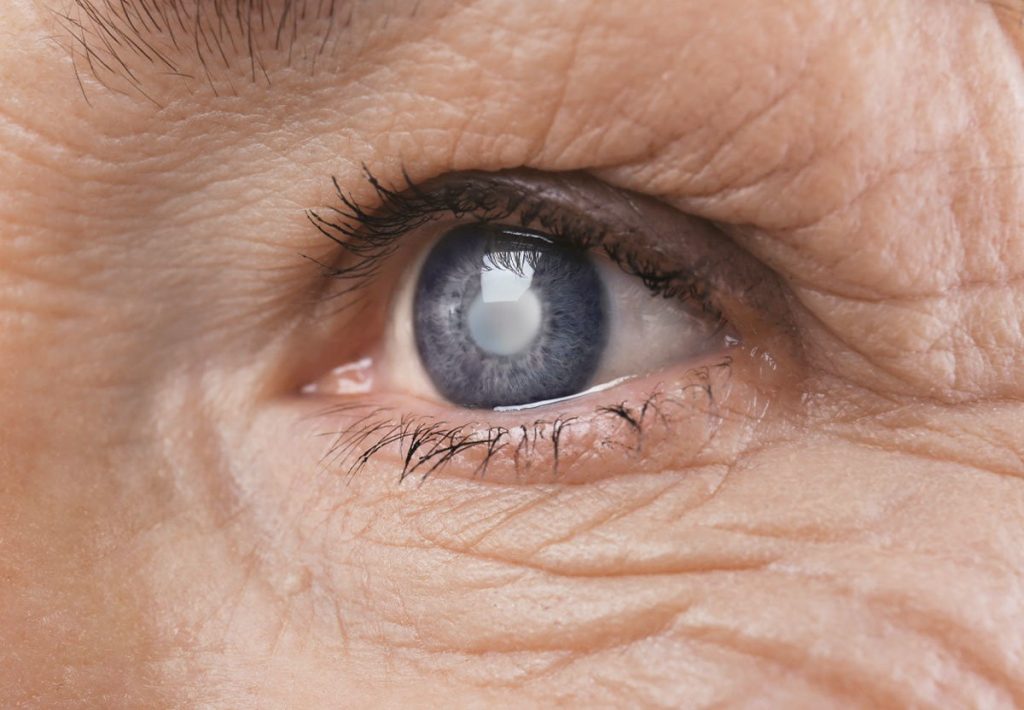



EDOF lens after cataract surgery has become an increasingly discussed option among patients who want a broader range of vision after cataract removal without depending heavily on glasses. While standard lenses mainly focus on one distance, newer premium intraocular lenses aim to improve daily visual flexibility. Understanding how EDOF technology works may help patients make more informed decisions before cataract surgery.
EDOF Lens After Cataract Surgery: What Makes This Lens Different?
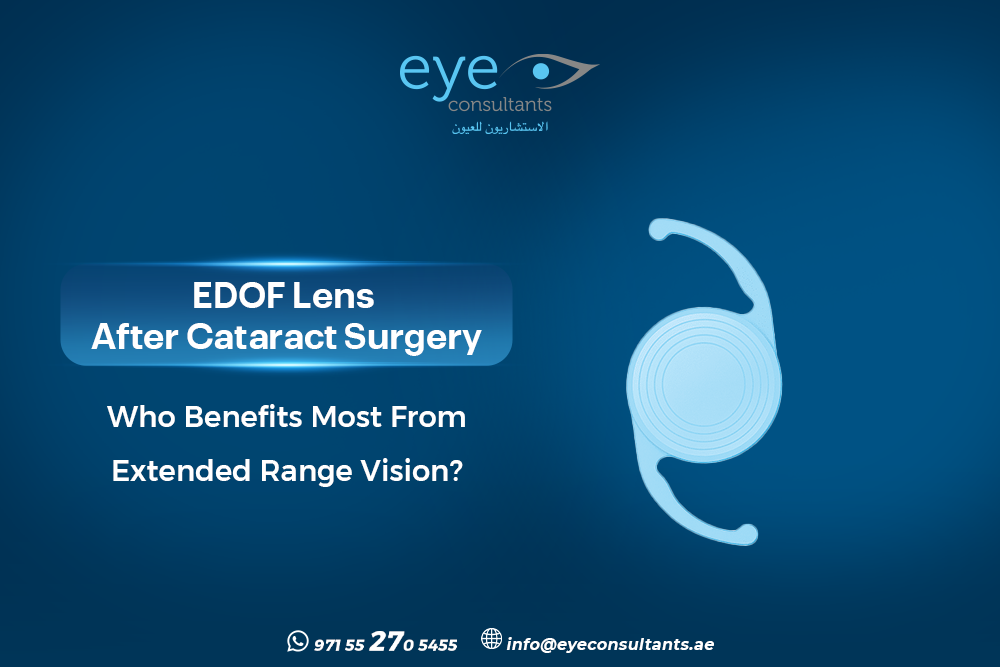
EDOF lens after cataract surgery refers to an extended depth of focus intraocular lens designed to create a continuous range of vision rather than separating light into multiple focal points:
* Provides smoother transition between distances
* Often improves intermediate vision quality
* Designed differently from traditional multifocal lenses
* May reduce dependence on glasses for many daily tasks
Compared with standard monofocal lenses, extended depth of focus IOL technology attempts to improve functional vision across more activities while minimizing some visual disturbances associated with multifocal optics. (Watch this video)
Which Daily Activities Benefit Most From EDOF Vision?
Many patients consider EDOF lens after cataract surgery because of how modern lifestyles rely heavily on intermediate vision tasks:
* Computer and tablet use
* Dashboard and driving visibility
* Shopping and social activities
* Watching television with reduced glasses dependence
While some patients may still require reading glasses for small print, EDOF lens cataract surgery often improves distance and intermediate visual continuity more naturally than traditional single focus lenses.
What Are the Trade Offs Patients Should Understand?
Although EDOF lens after cataract surgery offers several advantages, patients should still understand its limitations before choosing a premium lens:
* Reading glasses may still be needed for fine print
* Mild halos or glare may occur at night
* Contrast sensitivity may differ slightly from monofocal lenses
* Outcomes depend on overall eye health
Compared with EDOF vs multifocal IOL discussions, some patients prefer EDOF technology because it may produce fewer night vision disturbances while still expanding visual range.
Who Is a Good Candidate for an EDOF Lens?
Not every patient considering EDOF lens after cataract surgery will benefit equally from this lens category:
* Patients wanting strong intermediate vision
* Active individuals using digital screens frequently
* People seeking reduced glasses dependence
* Patients with healthy retina and corneal status
During evaluation for Cataract Treatment ophthalmologists also assess retinal health, corneal condition, dry eye status, and lifestyle expectations before recommending premium lens after cataract surgery options.
Which Tests and Lifestyle Questions Matter Before Lens Selection?
Successful planning for EDOF lens after cataract surgery depends on careful pre operative measurements and understanding patient priorities:
* Corneal topography and astigmatism analysis
* Retinal and macular examination
* Ocular surface evaluation
* Discussion of driving habits and reading expectations
Choosing between different cataract lens options often involves balancing visual priorities rather than searching for one perfect lens suitable for everyone.
Why Choose Eye Consultants Center for Premium Cataract Lens Planning?
Selecting a premium intraocular lens involves more than choosing advanced technology alone. At Eye Consultants Center in Dubai, cataract planning focuses on matching lens design to each patient’s visual habits, occupational needs, retinal health, and long term expectations.
Patients benefit from:
* Advanced cataract diagnostics and biometry
* Detailed counseling about premium lens choices
* Personalized visual planning rather than one size fits all recommendations
* Experienced ophthalmologists familiar with modern premium IOL technologies
If you are exploring premium cataract lens options, a detailed consultation may help determine whether EDOF technology matches your lifestyle and visual priorities.
Book your consultation today through:
or visit Al Razi Building 64, Block C, 1st Floor, Unit 1017 – Dubai Healthcare City – Dubai – United Arab Emirates.
Working Hours:
Monday to Thursday and Saturday: 8 AM to 8 PM
Friday: Closed
Sunday: 9 AM to 8 PM
FAQ’S
Can EDOF lenses completely eliminate the need for glasses?
Some patients achieve significant glasses independence, but many still require reading glasses for very small print or prolonged near tasks.
Are EDOF lenses better than multifocal lenses for night driving?
In some patients, EDOF lenses may produce fewer halos and glare symptoms compared with certain multifocal lens designs.
Can patients with retinal problems receive premium lenses?
It depends on the severity and type of retinal condition, as some retinal diseases may affect premium lens performance.
Why is intermediate vision important after cataract surgery?
Modern activities such as computer work, cooking, shopping, and dashboard viewing rely heavily on intermediate visual range.
Does every cataract patient qualify for premium lenses?
No. Eye surface health, corneal quality, retinal condition, and patient expectations all influence suitability.
Conclusion
Understanding how an EDOF lens after cataract surgery works may help patients make more confident decisions before cataract surgery. By combining advanced diagnostics, realistic visual expectations, and personalized lens planning, ophthalmologists can help identify whether extended depth of focus technology is the right match for a patient’s daily visual needs and lifestyle goals.
✆ Whatsapp