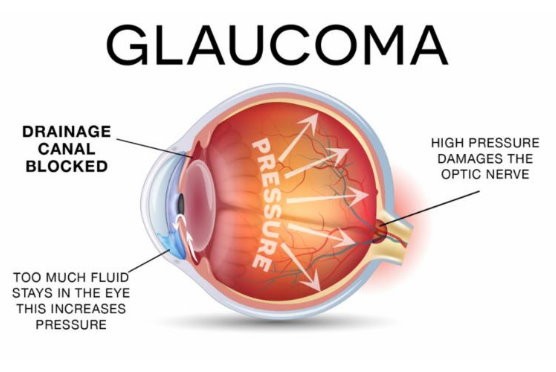



Understanding when glaucoma surgery is needed is important for patients whose eye pressure remains difficult to control despite treatment. Glaucoma can progressively damage the optic nerve, and vision loss caused by this damage is generally irreversible. When eye drops or laser treatment do not provide sufficient pressure control, surgery may be considered to help protect the remaining vision. The decision depends on disease progression, target eye pressure, and individual clinical findings.
When glaucoma surgery is needed What Changes After Eye Drops?
When glaucoma surgery is needed depends on whether the current treatment controls eye pressure sufficiently to reduce the risk of further optic nerve damage.
Surgery may be discussed when:
- Eye pressure remains above the target: Despite appropriate use of prescribed medication.
- Glaucoma continues to progress: OCT or visual field tests show worsening damage despite treatment.
- Medication becomes difficult to maintain: Side effects, administration difficulties, or treatment limitations affect consistent pressure control.
A single high pressure reading does not automatically mean surgery is necessary. The ophthalmologist considers pressure measurements alongside optic nerve health, visual field changes, and the rate of disease progression.
What Can and Cannot Glaucoma Laser Treatment Achieve?
Laser treatment is one of the available glaucoma treatment options. Depending on the type of glaucoma, it may improve fluid drainage or help prevent blockage of the drainage angle.
The approach may include:
- Selective laser trabeculoplasty (SLT): Helps improve fluid drainage in suitable patients with open angle glaucoma.
- Laser peripheral iridotomy: Creates a small opening in the iris to help prevent or relieve angle closure in appropriate cases.
Laser treatment can reduce eye pressure, but its effect varies between patients. Some may still need eye drops or further treatment. If pressure remains above the target or damage progresses, surgical options may need to be discussed.
Which Factors Lead to a Surgery Discussion?
The decision to proceed with surgery involves more than the latest pressure reading. When glaucoma surgery is needed, the ophthalmologist evaluates the risk of future vision loss and the effectiveness of the current treatment plan.
Important considerations include:
- The type and severity of glaucoma.
- The amount of existing optic nerve damage.
- Changes in OCT scans and visual field results.
- The target pressure required to reduce the risk of progression.
- Previous treatments, medication tolerance, and response to laser.
Patients with advanced glaucoma may require a lower target pressure because their remaining optic nerve function is more vulnerable to further damage.
MIGS vs Conventional Glaucoma Surgery
Different procedures are designed for different levels of disease severity and pressure control needs.
- Minimally invasive glaucoma surgery (MIGS): May be suitable for selected patients with mild to moderate glaucoma, sometimes alongside cataract surgery.
- Trabeculectomy: Creates a new drainage pathway to lower eye pressure.
- Glaucoma drainage devices: Use an implanted tube and reservoir to help drain fluid in selected complex or treatment resistant cases.
MIGS generally offers a less invasive approach, but it may not achieve the low pressure required in advanced disease. Procedure selection depends on the clinical findings and the desired pressure reduction.
What Happens Before Surgery?
Before deciding when glaucoma surgery is needed, the ophthalmologist assesses the eye to confirm the diagnosis, evaluate progression, and identify an appropriate treatment approach.
The assessment may include:
- Tonometry to measure eye pressure.
- OCT imaging to assess the optic nerve and retinal nerve fibre layers.
- Visual field testing to evaluate functional vision loss.
- Examination of the drainage angle and other relevant eye structures.
At this stage, patients can discuss expected benefits, potential complications, recovery, and the possibility of continuing medication after surgery.
Why Choose Eye Consultants Center?
At Eye Consultants Center in Dubai Healthcare City, glaucoma care includes specialist assessment and a range of treatment approaches based on individual clinical needs.
- Specialist glaucoma expertise: Dr. Mohamed Hesham Aly is a Consultant Ophthalmologist specialising in glaucoma and cataract surgery, with extensive clinical and surgical experience. (Watch this video)
- Dedicated diagnostic investigations: Tonometry, OCT, and visual field testing help assess eye pressure, optic nerve health, and disease progression.
- Advanced surgical options: Available glaucoma procedures include filtration surgery, non penetrating surgery, drainage devices, and glaucoma implants.
This combination supports informed treatment decisions based on the patient’s condition, previous treatment response, and remaining visual function.
Book a glaucoma consultation to assess your eye health and discuss the most appropriate treatment options for your condition.
Contact us
or visit Al Razi Building 64, Block C, 1st Floor, Unit 1017 – Dubai Healthcare City – Dubai – United Arab Emirates.
Frequently Asked Questions
Does glaucoma surgery restore lost vision?
No. Glaucoma surgery aims to lower eye pressure and reduce the risk of further damage. It cannot usually reverse existing optic nerve damage.
Can I stop using eye drops after surgery?
Not necessarily. Some patients still need medication after surgery to maintain adequate pressure control.
Is glaucoma surgery always necessary when eye pressure is high?
No. The decision depends on the type of glaucoma, optic nerve health, disease progression, and response to other treatments.
How often should I attend follow up appointments?
The schedule depends on disease severity, treatment, and pressure control. Regular monitoring remains important even after surgery.
Conclusion
Understanding when glaucoma surgery is needed helps protect your remaining vision. Consult our specialists at Eye Consultants Center to determine the most suitable treatment for your condition.