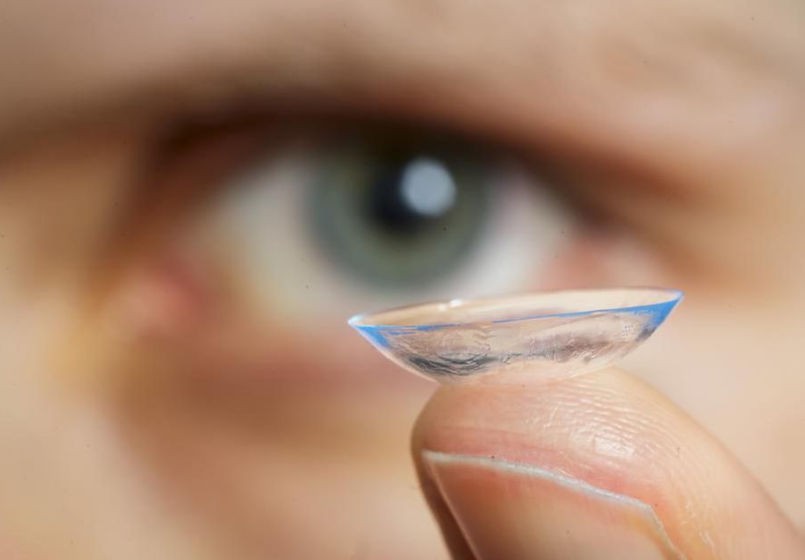



Contact lens intolerance treatment begins with identifying why your eyes no longer tolerate contact lenses. If lenses that were once comfortable now cause dryness, irritation, or blurred vision, the problem may not be the lenses themselves. Several eye conditions can gradually reduce lens tolerance, making a comprehensive eye examination the first step toward restoring comfortable lens wear whenever possible.
What Contact lens intolerance treatment means and why it often worsens over time
Contact lens intolerance treatment is recommended when contact lenses become increasingly uncomfortable despite proper lens care.
Symptoms usually develop gradually as changes in the tear film, eyelids, ocular surface, or contact lenses reduce wearing comfort.
Common signs include:
- Burning or stinging
- Dryness that worsens throughout the day
- Blurred or fluctuating vision
- Eye redness
- Foreign body sensation
- Reduced lens wearing time
Early evaluation helps determine whether symptoms are caused by the ocular surface, the lenses, or another eye condition.
Dry eye, allergy, fit problems, deposits, and other common causes
Identifying the cause is essential for effective contact lens intolerance treatment.
Common contact lens discomfort causes include:
- Dry eye disease (Watch this video)
- Eye allergies
- Meibomian gland dysfunction
- Protein or lipid deposits on reusable lenses
- Poor lens fit
- Corneal surface changes
- Reduced oxygen transmission
- Inadequate lens replacement habits
Patients who feel they cannot wear contact lenses anymore may improve after addressing one or more of these underlying problems.
Which examinations help identify the true reason for discomfort?
A detailed eye examination is an essential step in contact lens intolerance treatment because it helps identify the exact cause of discomfort.
Your ophthalmologist may perform:
- Slit-lamp examination
- Tear film evaluation
- Dry eye assessment
- Corneal staining
- Eyelid and meibomian gland evaluation
- Contact lens fit assessment
- Corneal topography when indicated
These tests help determine whether dry eye contact lens intolerance, allergy, mechanical irritation, or another condition is responsible for the symptoms, allowing your ophthalmologist to develop an individualized treatment plan.
Treatment options such as ocular surface therapy, lens-material changes, and specialty fittings
Once the cause has been identified, contact lens intolerance treatment is tailored to each patient.
Management may include:
- Treating dry eye or ocular surface disease
- Managing allergy or eyelid inflammation
- Switching to a different contact lens material
- Changing replacement schedules or lens-care routines
- Specialty contact lens fitting for patients requiring customized lenses
Treatment recommendations depend on a comprehensive examination and individual clinical findings.
When daily disposables or scleral-style options may be considered
Changing the type of contact lens may improve comfort for some patients and may be considered as part of contact lens intolerance treatment after a comprehensive eye evaluation.
Daily disposable lenses can reduce deposit buildup, while specialty contact lens fitting may include scleral lenses for selected patients with ocular surface disease or irregular corneas.
However, these options are recommended only after evaluating corneal health, tear quality, and the overall ocular surface condition to determine the most appropriate management plan.
Why Choose Eye Consultants Center?
Managing contact lens intolerance requires accurate diagnosis and personalized care.
At Eye Consultants Center, patients benefit from:
- More than 14 years of ophthalmology experience
- Consultant ophthalmologists across multiple subspecialties
- Advanced diagnostic technology
- Comprehensive evaluation of dry eye, corneal disorders, and contact lens-related problems
- Individualized treatment and follow-up plans
Book your appointment at Eye Consultants Center for a comprehensive evaluation by our experienced consultant ophthalmologists. (Watch also)
Contact us:
or visit Al Razi Building 64, Block C, 1st Floor, Unit 1017 – Dubai Healthcare City – Dubai – United Arab Emirates.
Working Hours:
Monday to Thursday and Saturday: 8 AM to 8 PM
Friday: Closed
Sunday: 9 AM to 8 PM
Frequently Asked Questions
What is the first step in contact lens intolerance treatment?
The first step in contact lens intolerance treatment is a comprehensive eye examination to identify the cause and develop an individualized treatment plan.
Can I wear contact lenses again after developing intolerance?
Yes, in many cases. After identifying and managing the underlying cause, some patients can comfortably resume contact lens wear, depending on their ocular surface health and lens type.
Is dry eye the most common cause of contact lens intolerance?
Dry eye contact lens intolerance is one of the most common causes, but allergies, eyelid disease, poor lens fit, and deposits may also contribute.
When is specialty contact lens fitting recommended?
Specialty contact lens fitting may be appropriate for patients who no longer tolerate conventional soft lenses or have complex corneal conditions.
Should I stop wearing my contact lenses if they become uncomfortable?
Persistent discomfort should be evaluated by an ophthalmologist. A comprehensive examination helps identify the underlying cause and determine the most appropriate management plan.
Conclusion
Contact lens intolerance treatment focuses on identifying the reason your eyes no longer tolerate contact lenses rather than simply replacing the lenses. Whether symptoms are caused by dry eye, allergies, deposits, or fitting issues, early evaluation helps guide the most appropriate management plan. If you feel you cannot wear contact lenses anymore, scheduling a comprehensive assessment is the best way to determine your available options.