


Corneal haze after PRK is one of the concerns that may arise during recovery following photorefractive keratectomy. While many patients achieve excellent visual outcomes, some may notice changes in vision quality that lead them to question whether healing is progressing normally. Understanding what corneal haze means and how it is monitored can provide reassurance and help patients seek timely specialist evaluation when needed.
What Corneal Haze After PRK Actually Means
Understanding corneal haze after PRK starts with recognizing it as part of the corneal healing response following surface laser treatment. This condition refers to temporary or persistent corneal clouding that may develop as the tissue remodels after surgery. In most cases, it is mild and gradually improves over time. Patients may notice:
- Mild reduction in visual clarity
- Increased sensitivity to bright lights
- Glare or halos around light sources
- Temporary fluctuations in vision quality
- Symptoms resembling mild blurry vision after PRK
Early identification allows ophthalmologists to monitor healing appropriately. (Watch this video)
Why Some Patients Are More at Risk Than Others
Although corneal haze after PRK is uncommon with modern treatment protocols, certain factors may increase susceptibility.
Potential risk factors include:
- Higher refractive corrections requiring deeper ablation
- Individual variations in corneal healing response
- Previous corneal surface irregularities
- Delayed epithelial healing
- Certain environmental exposures during recovery
Most patients recover without significant haze, but understanding these factors helps set realistic expectations.
How Haze Changes Vision Quality and What Symptoms Patients Notice
The impact of corneal haze after PRK varies depending on its severity.
Patients may report:
- Mild to moderate PRK haze symptoms
- Increased glare, especially at night
- Halos around headlights or bright lights
- Reduced contrast sensitivity
- Intermittent blurry vision after PRK
- Fluctuating visual sharpness
These PRK recovery problems should be assessed during scheduled follow-up visits to determine whether healing remains within expected limits.
How Ophthalmologists Grade and Monitor Haze Over Time
Careful follow-up is essential for evaluating corneal haze after PRK and tracking recovery progress.
Your ophthalmologist may use:
- Slit-lamp examination to assess corneal clarity
- Standardized haze grading scales
- Visual acuity testing
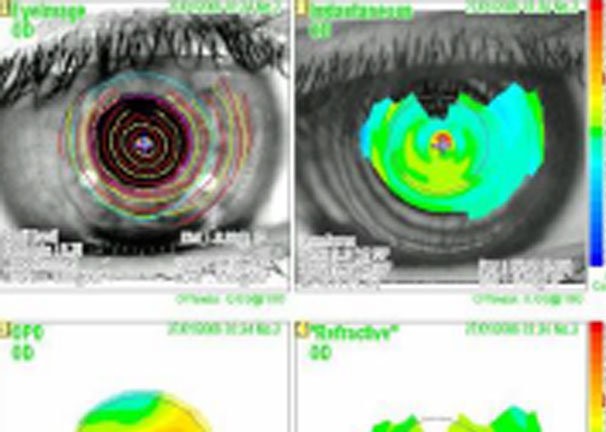
- Corneal topography when indicated
- Comparison of serial examinations over time
Regular monitoring helps distinguish normal healing changes from cases requiring additional intervention.
Treatment Options, Timelines, and When Results Improve
Management of corneal haze after PRK depends on the degree of haze and its effect on visual function.
Treatment approaches may include:
- Continued observation for mild cases
- Adjustment of postoperative management strategies
- Discussion of corneal haze treatment after PRK when clinically appropriate
- Monitoring visual stability over time
- Consideration of further evaluation if symptoms persist
Many patients experience gradual improvement over several months as corneal remodeling continues. Recovery timelines vary between individuals, and specialist guidance remains essential.
Why Choose Eye Consultants for LASIK & Refractive Surgery?
Managing concerns related to corneal haze after PRK requires specialized expertise and advanced diagnostic capabilities. At Eye Consultants Center Dubai, patients benefit from more than 14 years of excellence in specialized eye care and a team of ophthalmologists with over 30 years of clinical expertise in refractive surgery and corneal care.
Using advanced corneal imaging technologies and individualized treatment planning, the team provides comprehensive assessments and personalized follow-up tailored to each patient’s needs. Through evidence-based care and ongoing monitoring, the focus remains on preserving visual quality and supporting optimal long-term outcomes following LASIK & Refractive Surgery procedures.
Book Your Refractive Surgery Assessment Today
If you are experiencing corneal haze after PRK, ongoing blurry vision after PRK, or concerns regarding your recovery progress, a specialist refractive surgery evaluation can help determine whether healing is proceeding as expected.
Contact us
or visit Al Razi Building 64, Block C, 1st Floor, Unit 1017 – Dubai Healthcare City – Dubai – United Arab Emirates.
Working Hours:
Monday to Thursday and Saturday: 8 AM to 8 PM
Friday: Closed
Sunday: 9 AM to 8 PM
Frequently Asked Questions
Is corneal haze common after PRK surgery?
Corneal haze is relatively uncommon with modern PRK techniques, and when it occurs, it is often mild and temporary.
Can haze affect vision permanently?
Most cases improve gradually over time. Persistent haze affecting vision requires specialist evaluation and monitoring.
What are the common PRK haze symptoms?
PRK haze symptoms may include glare, halos, reduced contrast sensitivity, and blurry vision during recovery.
How long does haze last after PRK?
Recovery varies between individuals. Some patients notice improvement within months as corneal healing progresses.
When should I seek medical review for PRK recovery problems?
You should contact your ophthalmologist if you experience worsening vision, persistent haze affecting daily activities, increasing discomfort, or concerns about your recovery progress.
Conclusion
Corneal haze after PRK can understandably cause concern during recovery, but many cases improve gradually with appropriate follow-up and monitoring. Recognizing PRK haze symptoms, understanding available corneal haze treatment after PRK strategies, and maintaining regular appointments with your ophthalmologist help support successful visual outcomes after refractive surgery.