


Myopia control glasses for children are now one of the most searched options by parents who have been told their child’s prescription is getting stronger year after year. Many families want something effective, non-invasive, and easier to manage than overnight lenses or daily drops. That is exactly why peripheral defocus spectacles are getting so much attention. The real question is not whether they are popular, but whether they can play a meaningful role in slowing progression when monitored properly.
✆ WhatsappMyopia control glasses for children – What parents should know
This option is designed for myopia management, not just standard vision correction. (Watch this video)
- Myopia control glasses for children are not the same as regular single-vision spectacles.
- They are designed to correct central vision while also using an optical treatment zone intended to reduce the signals linked to ongoing myopia progression.
- This makes them different from ordinary glasses that help a child see clearly but do not specifically target progression control.
- Spectacle-based myopia interventions are considered attractive for many families because they are non-invasive, familiar, and generally easy for children to accept.
What myopia control glasses are and how they differ from regular lenses
The difference lies in purpose as much as design.
Regular lenses are prescribed to improve vision at that moment. Myopia control glasses for children are prescribed with a broader goal: helping manage progression over time. Many modern designs use peripheral defocus glasses or lenslet-based optics, which aim to keep central vision clear while changing how peripheral light is focused. This is why children myopia control lenses are often discussed separately from standard prescription glasses in specialist clinics.
How peripheral defocus technology aims to slow progression
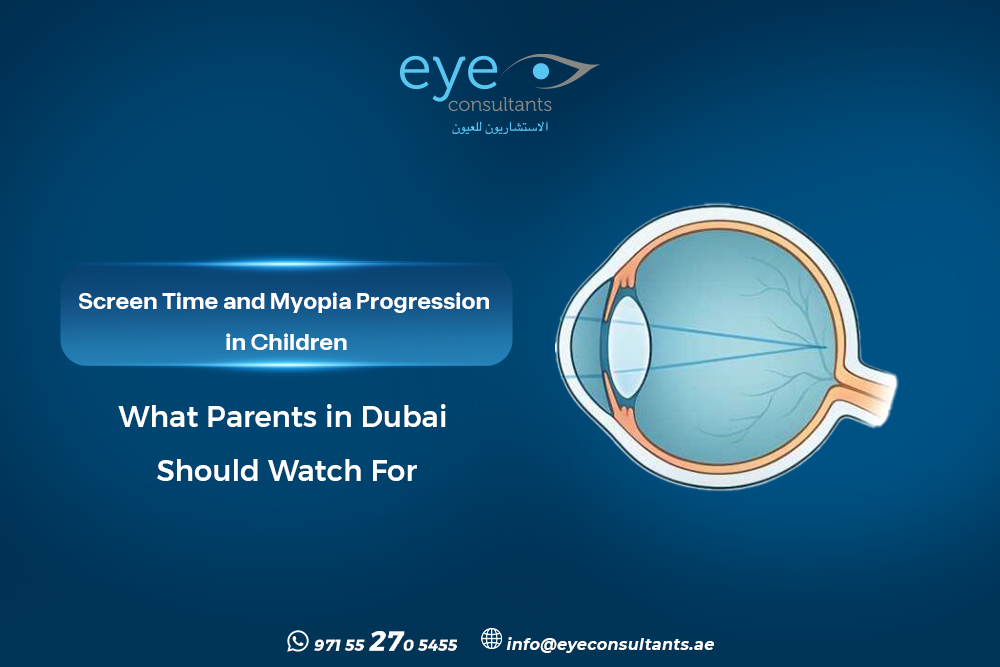
The concept is based on how the growing eye responds to retinal signals.
- Peripheral defocus spectacle designs attempt to create myopic defocus in the peripheral retina while maintaining clear central vision.
- Consensus and review papers from myopia specialists describe spectacle-based peripheral defocus as one of the recognized optical approaches used in childhood myopia control.
- Newer spectacle designs have shown better outcomes than older standard spectacle approaches, although results vary by lens design and by child.
- This is why the answer to whether they “really work” is best understood as: they can help in appropriate cases, but they need the right lens design and proper follow-up.
Which children may benefit most from this option
Not every child needs the same myopia plan.
Children who may benefit most from myopia control glasses for children often include:
- children with documented progression over time
- younger children, because earlier onset is linked to faster progression risk
- families looking for a non-contact-lens option
- children who are not ideal candidates for overnight lens wear or who may struggle with medication adherence
This can make myopia management Dubai consultations especially important for families comparing glasses with other strategies rather than choosing based on convenience alone.
Comparison with atropine drops and orthokeratology
Parents usually compare all three options before deciding.
- Myopia glasses vs atropine is a common comparison because both are used to slow progression, but they work differently.
- Low-dose atropine is a medical option, while spectacle lenses are optical.
- Orthokeratology reshapes the cornea overnight and may be suitable in selected children, but it requires careful fitting, lens care, and follow-up.
- Spectacle-based control is often preferred by families who want a simple daytime option without overnight lens wear.
- Some centers also use combination therapy, depending on progression pattern and specialist judgment.
Monitoring progression with refraction and axial length measurements
Monitoring is what turns treatment into management.
A child starting myopia control glasses for children should not be followed by prescription checks alone. Progression is best monitored through:
- regular refraction assessments
- comparison of progression over time
- axial length measurements, when available, because axial elongation is a key marker in childhood myopia progression
- review of lens wear, visual function, and adherence
Eye Consultants Center specifically highlights axial length measurement and corneal topography within its Childhood Myopia Management approach, which supports more structured follow-up for progressive myopia.
Why choose Eye Consultants Center?
Choosing the right center matters because treatment decisions depend on both technology and specialist judgment.
Eye Consultants Center in Dubai Healthcare City presents Childhood Myopia Management as part of its pediatric eye-care services and highlights diagnostic tools such as axial length measurement and corneal topography for myopia assessment.
The center’s published pages also emphasize 14 years of center expertise and ophthalmologists with more than 30 years of experience across subspecialties. Its pediatric and refractive services include myopia treatment, Ortho-K, and myopia-control drops, which makes the center relevant for parents comparing optical and non-optical strategies under one roof.
In addition, Dr. Nadire Erdogan Dib’s profile specifically mentions current available management of childhood myopia and prevention and control of progression in children.
If your child’s prescription keeps increasing, this is the right time to book a structured myopia management Dubai consultation.
Visit Eye Consultants Center, Al Razi Bldg No. 64, Block C, 1st Floor, Unit 1017, Healthcare City, Dubai, or call +971 55 270 5455 / +971 4 4211 299
to discuss whether myopia control glasses for children may be the right next step.
FAQ’S
Do myopia control glasses for children really work?
They can help slow progression in suitable children, especially with newer spectacle designs, but they are not a one-size-fits-all solution and need follow-up.
Are peripheral defocus glasses the same as regular glasses?
No. Peripheral defocus glasses are designed with myopia control in mind, while regular glasses mainly correct current blur.
Are myopia glasses better than atropine?
Not necessarily. Myopia glasses vs atropine is not a matter of one being universally better. The best choice depends on age, progression rate, examination findings, and family preference.
Does every child with myopia need axial length monitoring?
Not every clinic uses the same protocol, but axial length measurement is increasingly valued because it helps track structural progression more precisely.
Myopia control glasses for children are no longer a fringe option. They are part of a growing evidence-based conversation around early intervention, safer long-term management, and better monitoring of progression. For the right child, under the right follow-up plan, they can be a practical and meaningful part of modern myopia care.
✆ Whatsapp